Learn how to repair a roof leak with our comprehensive, step-by-step guide. From identifying the leak to fixing it yourself or hiring a professional, we’ve got all the tips you need! A roof leak can be a homeowner’s nightmare. Not only can it lead to water damage, mold growth, and other costly problems, but it can also compromise the structural integrity of your home. Fortunately, repairing a roof leak is a task that many homeowners can tackle themselves, especially with the right guidance.
In this blog, we’ll walk you through a detailed, step-by-step guide on how to repair a roof leak. Whether you’re dealing with a small drip or a major leak, this guide will help you get your roof back in shape. Our local experts also offer free roof inspections to help you make informed decisions.
What You’ll Need for Roof Leak Repair
Before diving into the repair process, it’s important to gather all the necessary materials and tools. Having everything on hand will make the process go much smoother.
- Ladder (to reach the roof)
- Roofing cement or sealant (for patching leaks)
- Roofing tape (optional, for temporary fixes)
- Caulk gun (if using roofing cement in a tube)
- Utility knife (to cut shingles, if necessary)
- Rubber gloves (for protection)
- Flashlight (for better visibility)
- Tarp or plastic sheeting (to cover the leak temporarily)
Roof Leak Repair Steps by Steps Guide
Roof leaks can cause serious damage if left untreated. Following a clear, step-by-step repair process helps identify the problem quickly, prevent further water intrusion, and restore your roof’s protective integrity.
Step 1: Identify the Source of the Leak
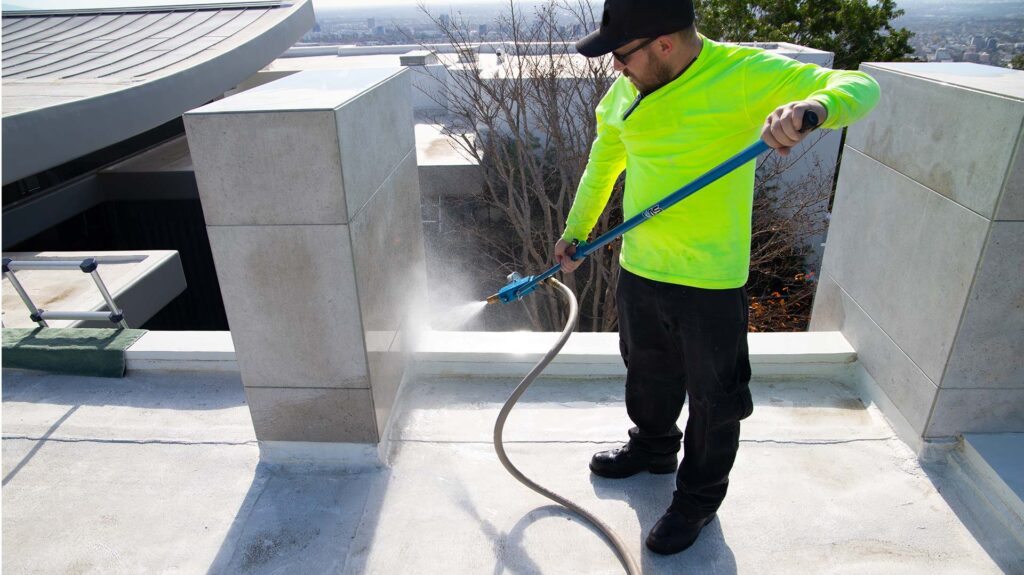
The first step in roof leak repair is accurately locating the source of the leak. Water stains on ceilings or walls often appear far from where water enters the roof. Professional roofers inspect shingles, flashing, vents, chimneys, and skylights, along with the attic, to trace moisture paths and pinpoint the exact problem area.
Step 2: Assess the Extent of Damage
Once the leak is identified, the damaged area is evaluated to determine whether the issue is minor or structural. Roofers check for cracked shingles, deteriorated underlayment, rotted decking, or rusted flashing. This assessment helps decide whether a simple repair is sufficient or if additional restoration is required.
Step 3: Secure the Roof Temporarily
To prevent further water intrusion, temporary protection is applied. This may include roofing tar, sealant, or a waterproof tarp to shield the exposed area until permanent repairs are completed, especially during active rain or storms.
Step 4: Remove Damaged Materials
All compromised shingles, flashing, and sealants are carefully removed. Leaving damaged materials in place can cause recurring leaks and hidden moisture damage, so complete removal is essential for a lasting repair.
Step 5: Repair the Roof Structure
If moisture has affected the roof deck or underlayment, these components are repaired or replaced. Addressing structural damage ensures the roof maintains its strength, stability, and water resistance.
Step 6: Install New Roofing Materials
New shingles, flashing, and waterproof barriers are installed and properly sealed. The repaired area is secured to match the existing roof, restoring full protection and preventing future leaks.
When to Call a Professional Roofer
While some roof leaks can be repaired by homeowners, it’s best to call a professional in these situations:
- Large or complex leaks: Widespread leaks or leaks in hard-to-reach areas.
- Structural damage: Significant damage to the roof’s structure.
- Safety concerns: Uncomfortable working at heights or on a steep roof.
Extended leaks: Long-standing leaks that may cause further damage if not properly addressed.
How Long Does Roof Leak Repair Take and What They Typically Cost
Repair Type | Estimated Cost | Details |
Minor Leak Repair | $200 – $400 | Small leaks, single shingle replacement, and minor flashing issues. |
Moderate Leak Repair | $400 – $1,000 | Multiple shingles, localized storm damage, and partial deck replacement. |
Major Leak or Full Roof Replacement | $1,000 – $7,000+ | Extensive damage, full roof replacement, and structural repairs. |
Challenges You May Face During How to Repair a Roof Leak
While roof repairs are typically straightforward, there are a few challenges that may arise. Here are some common issues:
1. Weather Delays:
Inclement weather can delay repairs, especially when it comes to replacing or installing materials.
2. Unexpected Structural Damage:
Sometimes, underlying issues like wood rot or structural damage may be discovered during repairs, extending the timeline.
3. Fluctuating Material Costs:
The price of roofing materials can change depending on market conditions, which may affect the final cost.
4. Finding a Trusted Contractor:
It’s crucial to hire a reliable and licensed roofing contractor. Always check reviews, ask for quotes, and verify licenses before hiring.
Meet Moose Roofing: Your Trusted Roofing Experts in Omaha, NE
Moose Roofing is a fully licensed and reputable roofing contractor based in Omaha, proudly serving homeowners and businesses across the city and surrounding areas. With years of hands-on experience, we specialize in providing reliable, long-lasting, and energy-efficient roofing solutions designed to withstand Omaha’s unique weather challenges.
- Licensed, insured, and experienced with hundreds of Omaha roofs
- Experts in durable, weather-resistant roofing systems built for storms, hail, and seasonal extremes
- Complete roofing services: repair, replacement, inspection & maintenance
- Serving homes, offices, warehouses, and commercial properties
- Honest, transparent, and customer-first service approach
- Roofs designed to handle Omaha’s hail, wind, rain, and temperature swings
Conclusion
Repairing a roof leak is an important task that should not be put off. If you catch the issue early and follow these steps, you can prevent further damage and save money on costly repairs. However, if you’re unsure or the damage is too extensive, don’t hesitate to reach out to a professional roofer who can handle the repair safely and effectively.
For more information, visit our Facebook, Youtube, instagram and GMB.
Contact us today to schedule your inspection or get a free quote
FAQs
How can I tell if I have a roof leak?
A roof leak can often be identified by water stains on your ceiling or walls. Look for damp spots or mold growth, especially after a rainstorm.
How do I fix a small roof leak myself?
For small leaks, you can apply roofing cement or sealant to the area around the leak. Ensure the surface is dry before sealing to prevent further damage.
What is the best material to use to fix a roof leak?
Roofing cement, rubberized sealant, and flashing are some of the most common materials used for sealing roof leaks. They provide durable, waterproof protection.
Can roof leaks be dangerous?
Yes, roof leaks can lead to structural damage, mold growth, and electrical hazards if left untreated. It's crucial to address roof leaks quickly to avoid serious risks.
How much does it cost to repair a roof leak?
The cost of repairing a roof leak can vary depending on the extent of the damage. Small leaks may cost around $200-$300, while larger repairs can cost up to $1,000 or more.
Should I call a professional or can I fix it myself?
If the leak is minor, you can attempt a DIY repair, but if you notice significant damage, it’s better to hire a professional to ensure a proper fix and prevent further issues.
How long does it take to repair a roof leak?
The time required to repair a roof leak can vary. Small leaks may be repaired within a few hours, while more extensive repairs can take a day or longer.
Can weather affect roof leak repairs?
Yes, extreme weather conditions like heavy rain or snow can delay roof repairs. It’s best to wait for dry, calm weather to ensure the repair is effective.
How do roof leaks affect my home’s value?
Unaddressed roof leaks can decrease the value of your home due to water damage, mold, and structural issues. Timely repairs are essential to maintain your home’s value.
How often should I inspect my roof for leaks?
It’s recommended to inspect your roof at least once a year and after major storms. Regular inspections can help identify and address minor leaks before they become significant issues.