
The Short Answer
Hang Christmas lights on your roof with plastic clips that grip the gutter or tuck under the shingle edge. Never use nails, staples or screws. Work from a ladder, not the roof, use outdoor-rated lights on a GFCI outlet, and skip icy days. Moose Roofing finds nail-hole leaks in Omaha roofs every spring.
How Do You Hang Christmas Lights on Your Roof Without Damaging It?
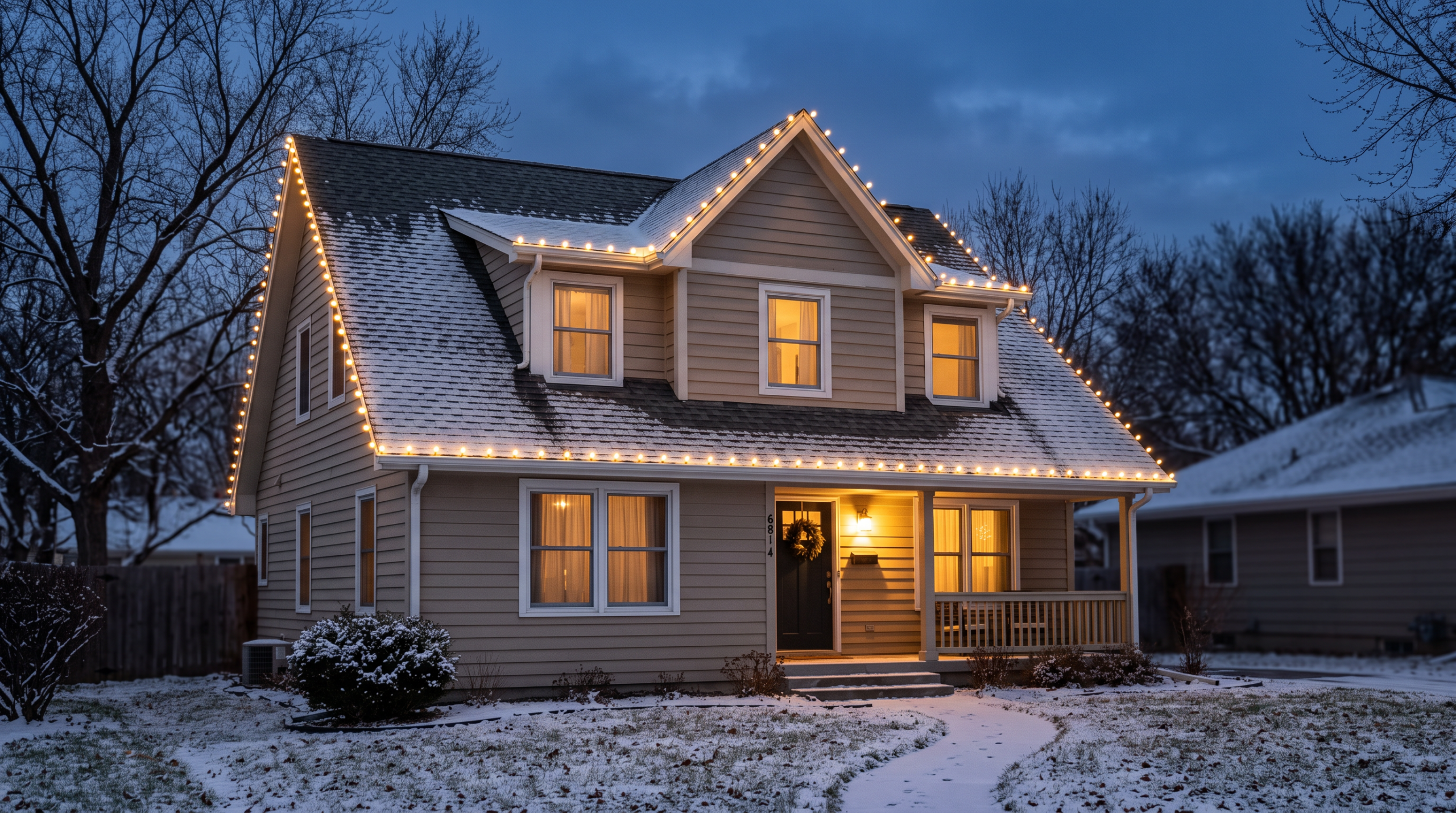
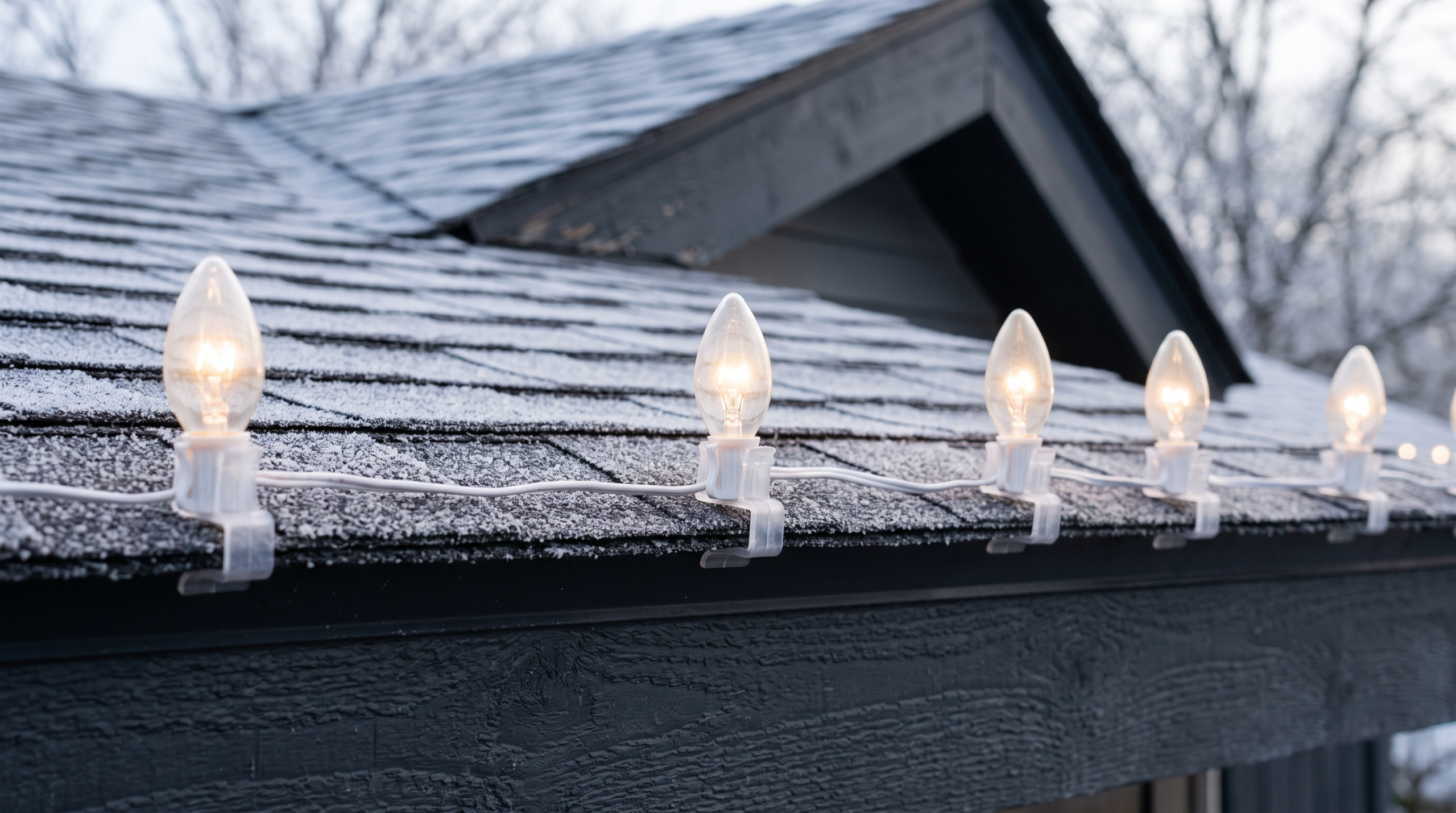
Use clips that hold the light strand without puncturing anything. Plastic clips grip the lip of your gutter or slide under the bottom edge of a shingle, so the roof stays sealed. When the season ends, the clips come off and leave nothing behind.
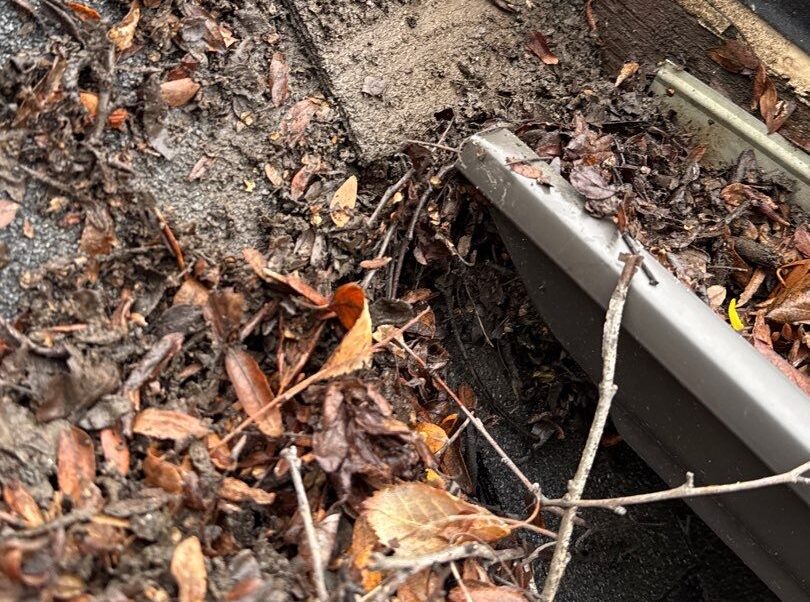
Shingle manufacturer IKO advises against nails, staples and screws when you hang Christmas lights on a roof, because even small holes in shingles can create leaks. Before you start, make sure your gutters are clean and firmly attached. A gutter packed with wet leaves or pulling away from the fascia won't hold clips well. Here's how falling leaves damage roofs and gutters.
Which Christmas Light Clips Work Best for Shingles and Gutters?
The right clip depends on where you want the lights. Most hardware stores carry all of these:
- Gutter clips hook over the front lip of the gutter. They're the easiest choice for a straight line along the eaves.
- Shingle tabs slide under the bottom edge of a shingle and hold a bulb or strand. Use them on roof edges without gutters.
- All-in-one clips work on either a gutter or a shingle edge. They're a good pick if your roofline changes from one to the other.
- Ridge or peak clips straddle the ridge cap to outline the top of a gable. Only use them if you can reach the peak safely.
- Adhesive clips stick to fascia, trim or siding when you'd rather not touch the roof at all.
Slide shingle clips in gently. Asphalt shingles get stiff in cold weather, and prying a cold shingle up too far can crack it or break the seal that keeps wind from lifting it.
Why Shouldn't You Nail or Staple Lights to Your Roof?
Every nail or staple is a new hole in the layer that keeps water out. Water from melting snow runs right past those holes, and the leak often doesn't show up inside until weeks later. By then, the decking or insulation underneath may already be wet.
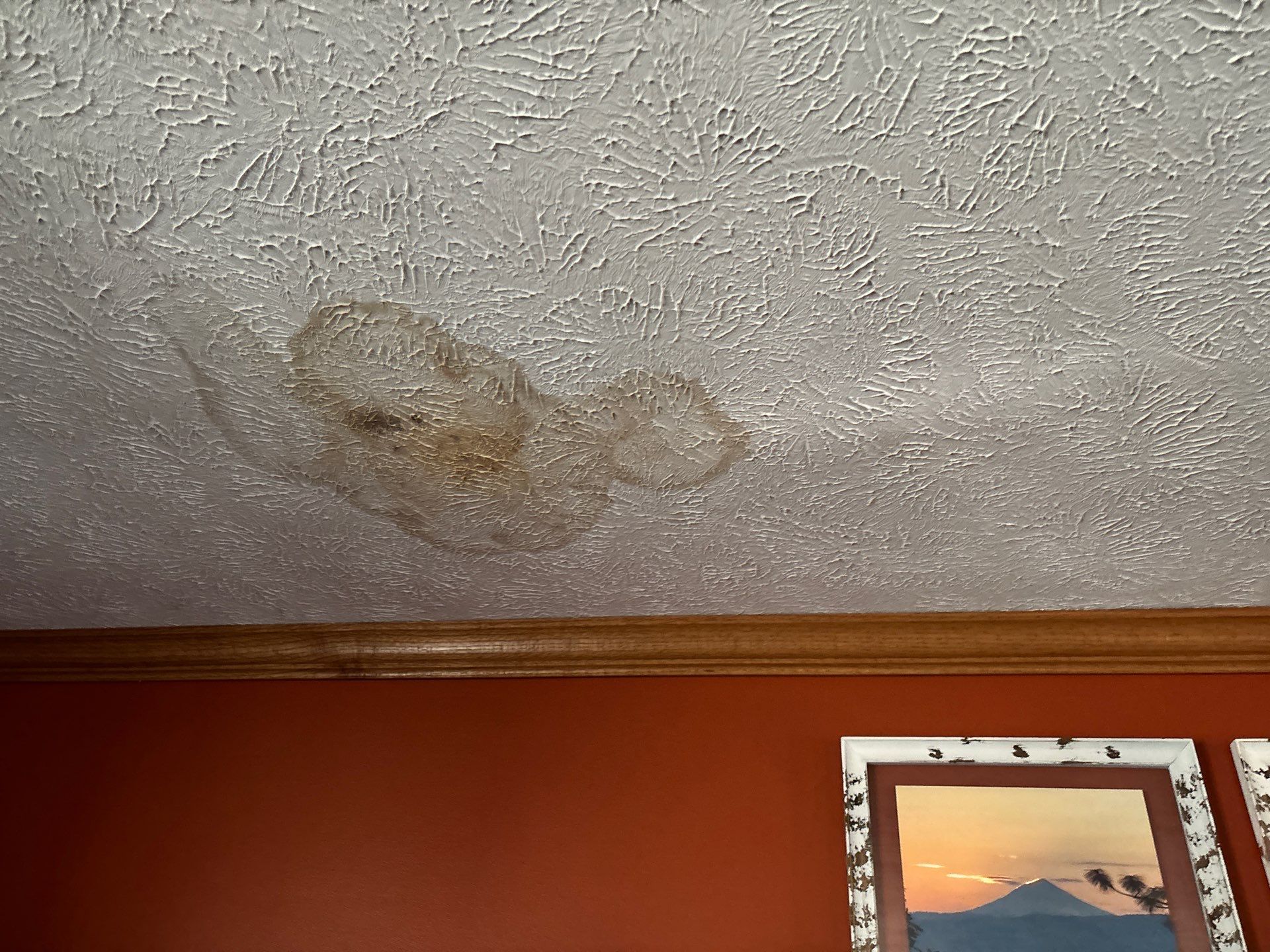
Staples can also pierce the light cord itself, which creates a shock and fire risk. If you inherited a roof with old nails or staples along the eaves, don't just pull them out and walk away. Those spots need to be sealed or repaired. If you see a stain on the ceiling near an outside wall, read what to do when your roof is leaking.
Is It Safe to Walk on Your Roof to Hang Lights?
Most of the time, no. Work from a ladder whenever you can. Late-fall roofs in Nebraska can have frost in the morning, and cold shingles are less flexible and easier to damage underfoot. A slip on a pitched roof is dangerous at any height.
Falls are the biggest risk of holiday decorating. The U.S. Consumer Product Safety Commission estimates about 160 decorating-related injuries a day during the holiday season, and nearly half involve falls. A few habits help:
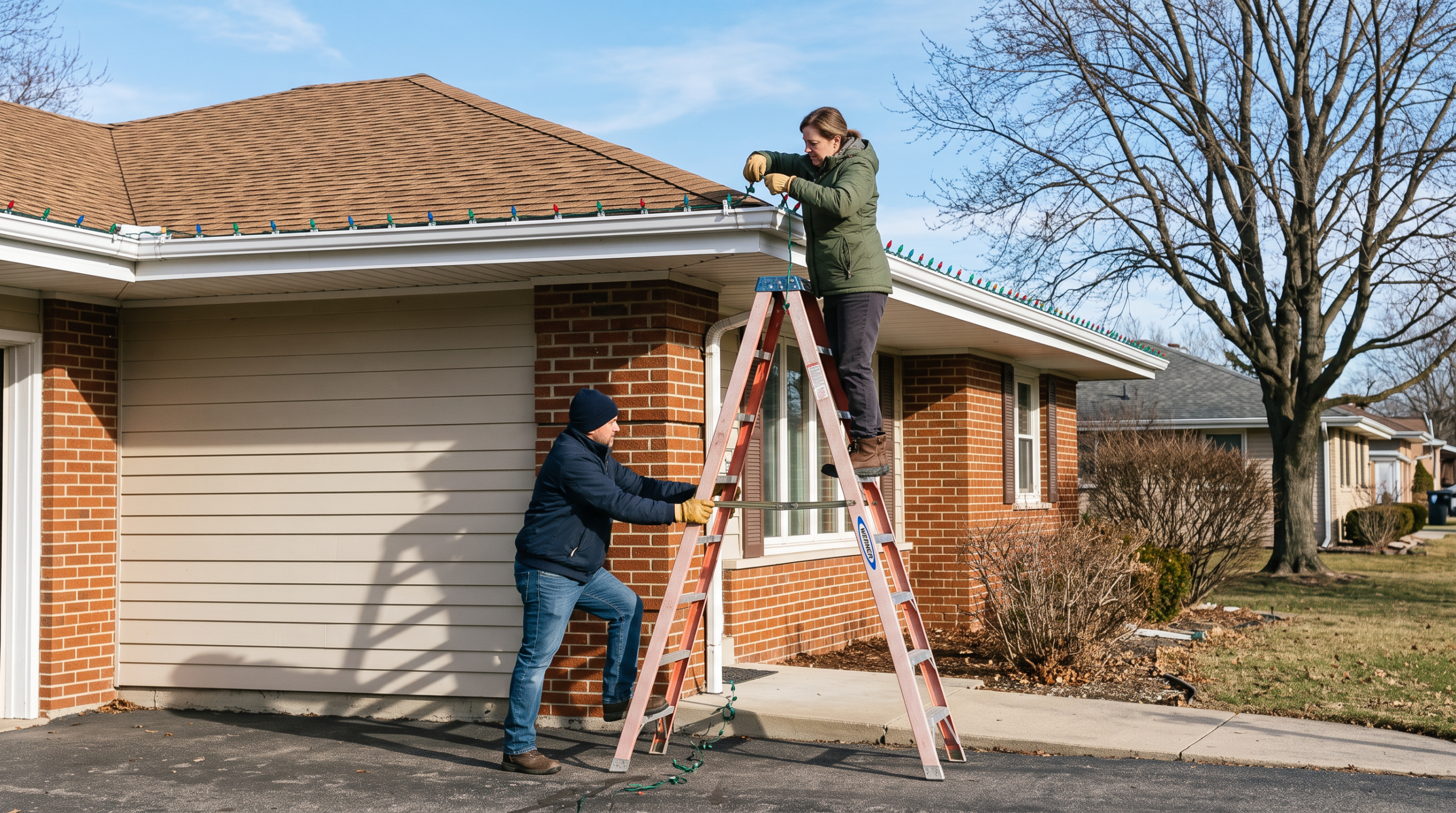
- Set the ladder on firm, level ground and keep it clear of overhead power lines.
- Move the ladder often instead of leaning out to reach the next clip.
- Have someone hold the ladder and hand you the strand.
- Wait for a dry, calm day. Don't hang lights in snow, ice, rain or high wind.
If your home is two stories, steep, or covered in ice, consider leaving the high sections to a lighting company with the right equipment.
What Electrical Safety Steps Matter Outdoors?
Roof-safe clips protect your shingles. The right lights and cords protect your home from shock and fire. The Electrical Safety Foundation International recommends three basics:
- Use only lights and extension cords rated for outdoor use.
- Plug outdoor lights into a GFCI-protected outlet.
- Inspect every strand for cracked sockets, broken bulbs and frayed wires before you hang it.
Run cords along the gutter or siding, not across the roof surface where snow and ice will sit on them. Keep cords and lights away from the chimney.
How Do You Take Lights Down Without Hurting the Roof?
Unclip the strand one section at a time instead of pulling it from the ground. Yanking a frozen strand can tear clips off, bend gutters and lift shingle edges. If the clips are iced in, wait for a thaw.
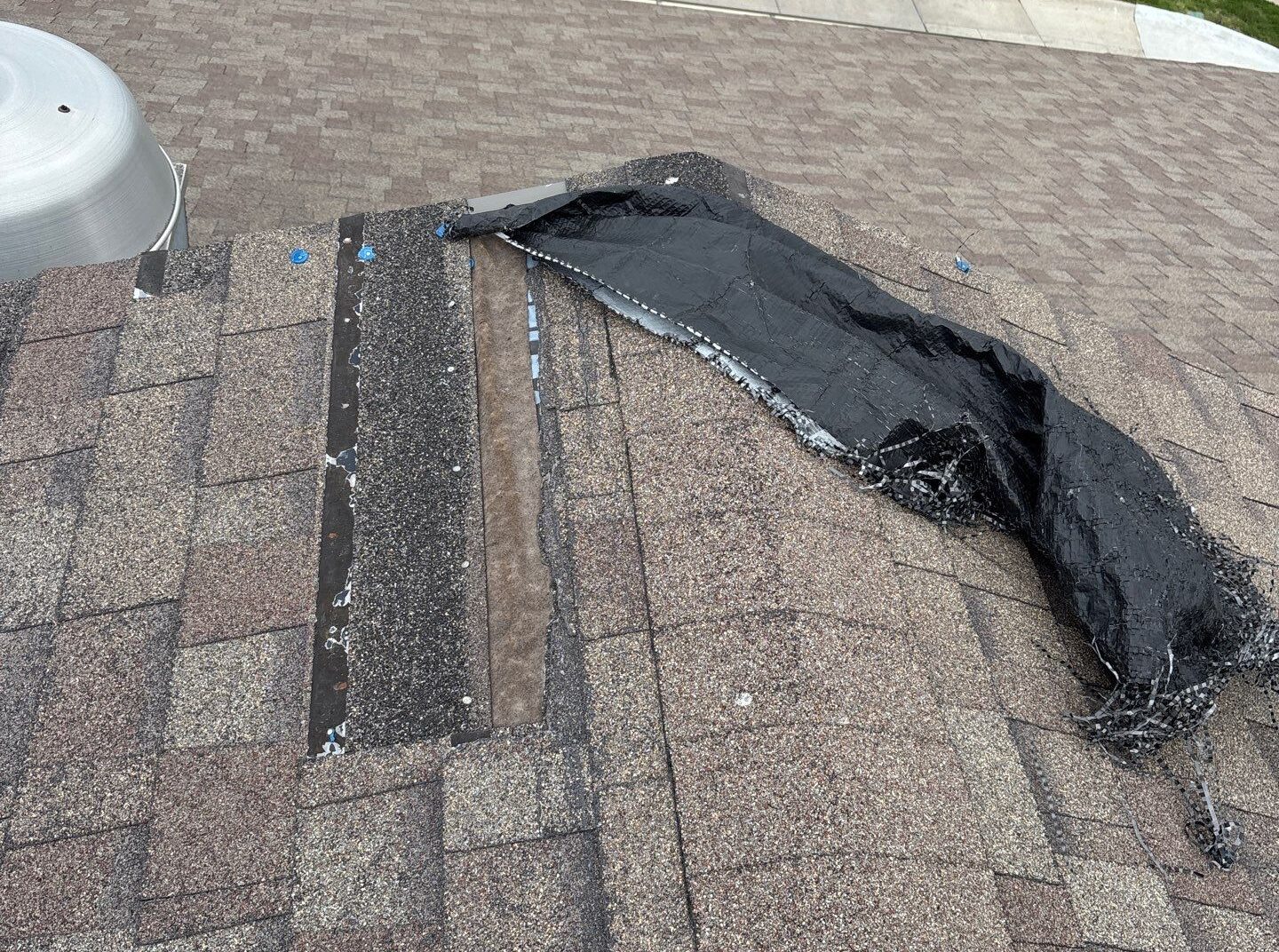
While you're up there, look for anything that changed over the season: a shingle that's lifted or missing, a gutter section that sags, or granules collecting at the downspouts. A missing shingle can cause roof damage if it's left through spring storms.
The Bottom Line
Clips, not nails. Ladder, not roof. Outdoor-rated lights on a GFCI outlet. Follow those three rules and your holiday display won't turn into a spring roof repair. If you knocked a shingle loose or spot a leak after the lights come down, Moose Roofing will inspect your roof for free.