Serving Eastern Nebraska & Western Iowa

Professional Attic Ventilation Services

Moose Roofing provides attic ventilation inspections and airflow solutions throughout Omaha, Lincoln, Council Bluffs, and communities across eastern Nebraska and western Iowa.

Schedule an Inspection
Why Ventilation Matters

Your Attic Needs a Way to Breathe

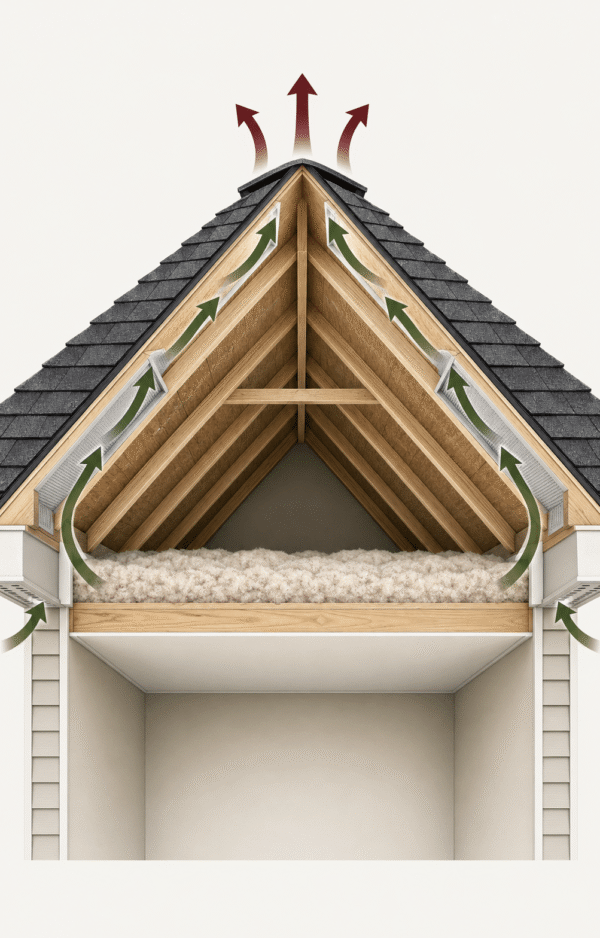
Proper attic ventilation creates continuous airflow beneath your roof. Fresh outdoor air enters through intake vents near the lower portion of the roof, while warm, moisture-filled air escapes through exhaust vents positioned higher on the roof.

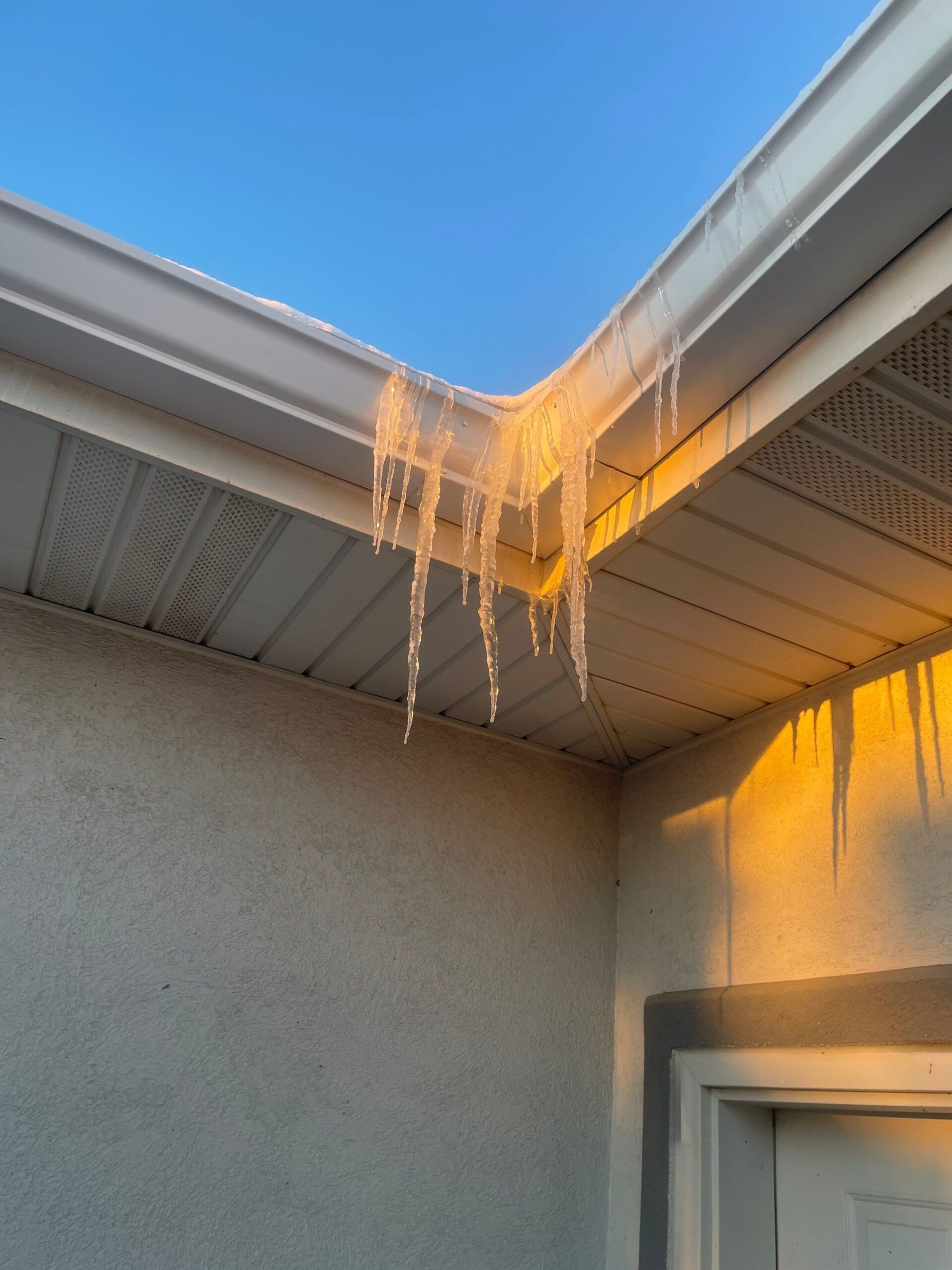
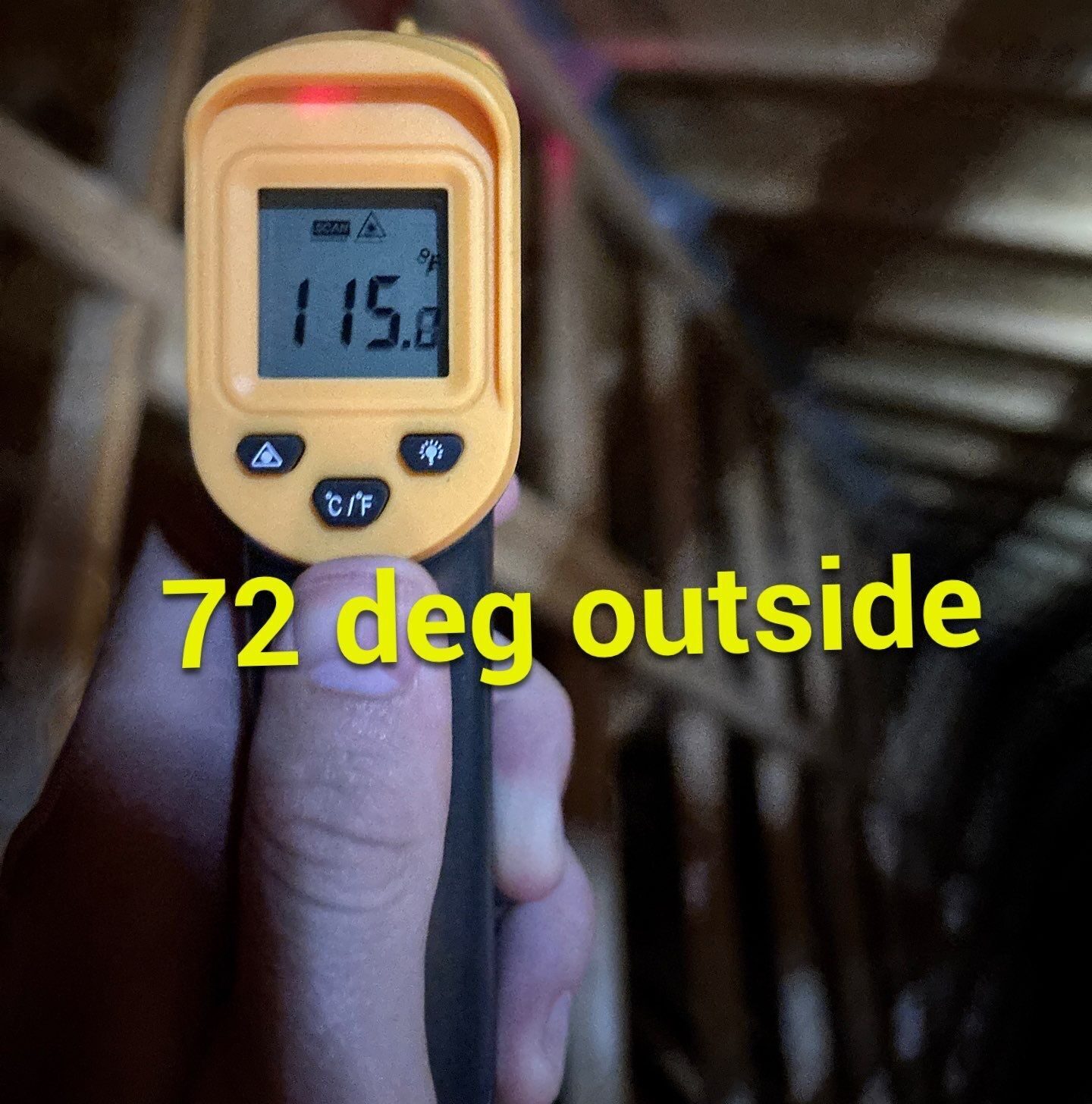
This balance helps manage attic heat and moisture throughout Nebraska and Iowa’s changing seasons. Without enough intake or exhaust airflow, heat and humidity can become trapped in the attic, contributing to condensation, ice dams, damaged insulation, and premature wear on the roofing system.

01

Intake Ventilation

Brings fresh outdoor air into the attic through soffit vents, deck-air systems, and other low-roof intake openings.

02

Exhaust Ventilation

Allows rising heat and moisture to escape through ridge vents, turtle vents, turbines, and other exhaust systems.

Attic ventilation system showing airflow beneath a residential roof
Balanced Airflow Fresh air in. Warm, moist air out.
How Attic Ventilation Works

Balanced Airflow From Eave to Peak

An effective attic ventilation system creates a clear path for outdoor air to enter near the bottom of the roof and escape near the top. Intake, unobstructed air channels, and exhaust ventilation must work together to help manage attic heat and moisture.

01

Fresh Air Enters

Outdoor air enters through soffit vents or another intake system installed near the lower edge of the roof.
02

Air Moves Upward

Ventilation baffles help maintain an open channel so air can travel above the insulation and along the underside of the roof deck.

03

Heat and Moisture Exit

Rising heat and moisture escape through properly positioned exhaust vents near the highest portion of the roofing system.

Why balance matters

Adding more exhaust vents does not automatically improve ventilation. If the attic lacks sufficient intake—or if insulation blocks the airflow path—the system may not perform as intended. Moose Roofing evaluates both sides of the system before recommending ventilation improvements for homes across eastern Nebraska and western Iowa.

Ventilation Solutions

Ventilation Options for Your Roofing System

Every roof and attic is different. Moose Roofing evaluates the existing intake, exhaust, insulation, and roof design before recommending a ventilation solution for your home.

Fresh Air In

Intake Ventilation

Intake ventilation brings fresh outdoor air into the attic near the lower portion of the roofing system.

01

Soffit Vents

$149 each

Remove and replace or cut in and install soffit vents to bring outdoor air into the lower portion of the attic.

02

Deck-Air Intake

$25 per LF

A roof-deck intake option for homes where traditional soffit ventilation is limited or unavailable.

03

Ventilation Baffles

$55 each

Baffles help prevent insulation from blocking the airflow path between the intake vents and the underside of the roof deck.

Warm Air Out

Exhaust Ventilation

Exhaust ventilation allows rising attic heat and moisture to escape near the upper portion of the roofing system.

01

Ridge Vent

$25 per LF

Continuous exhaust ventilation installed along the roof peak to release rising attic heat and moisture.

02

Turtle Vent

$149 each

A static roof vent that provides exhaust airflow through an individual opening in the roofing system.

03

Turbine Vent

$799 each

A wind-driven exhaust vent that helps move warm, moisture-filled air out of the attic.

04

Solar Power Vent

$1,999 each

A solar-powered exhaust option that actively moves air without connecting directly to the home’s electrical system.

05

Broan Vent

$1,199 each

A mechanical ventilation option used when the attic and roof design require powered exhaust airflow.

06

Smart Plug

$98 each

An optional control component used with compatible mechanical ventilation equipment.

Pricing Information

Listed prices are based on the unit shown. The appropriate ventilation type, quantity, and final project scope depend on the home’s roof design, existing airflow, accessibility, and attic conditions. Recommendations and complete pricing are provided after an inspection.

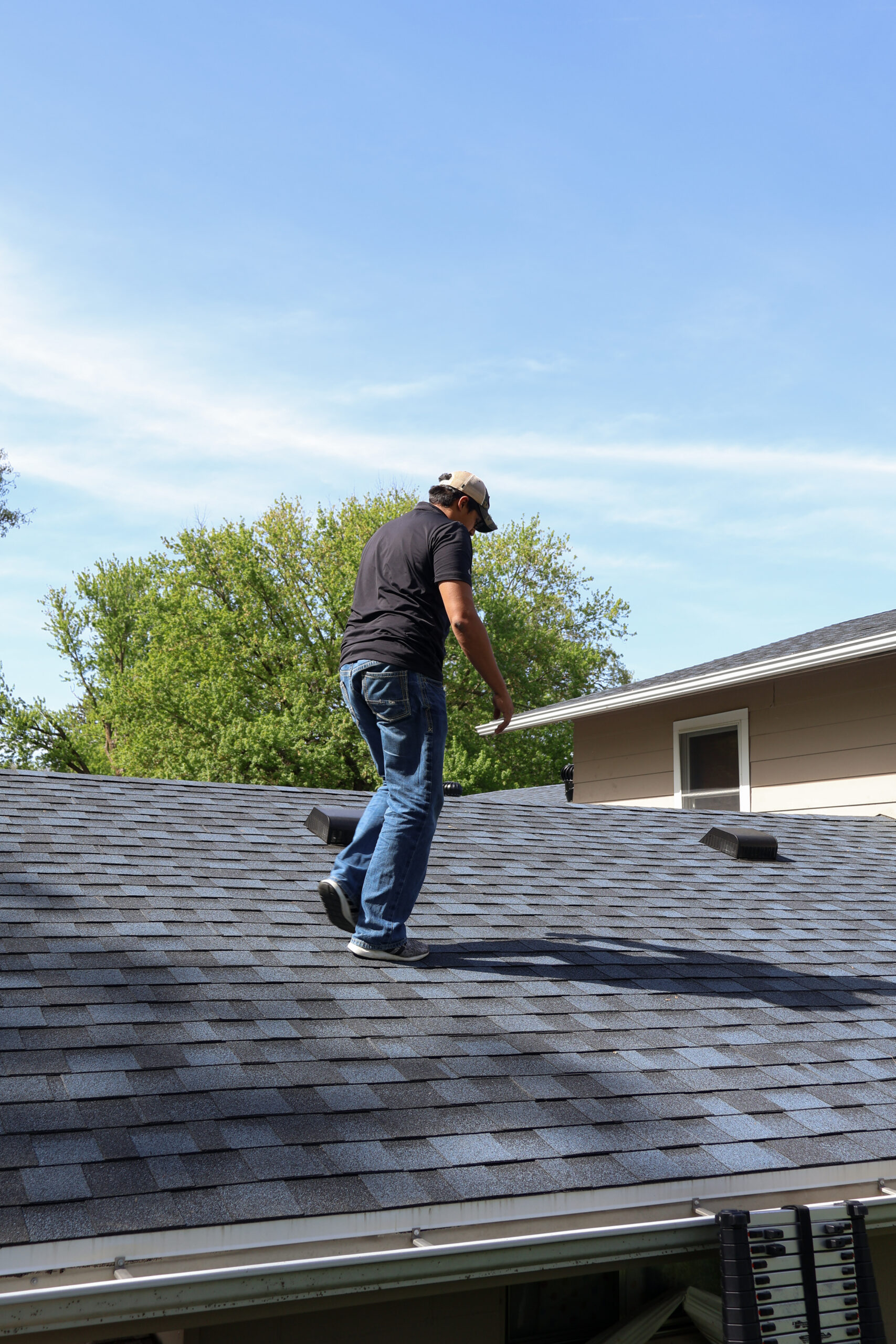
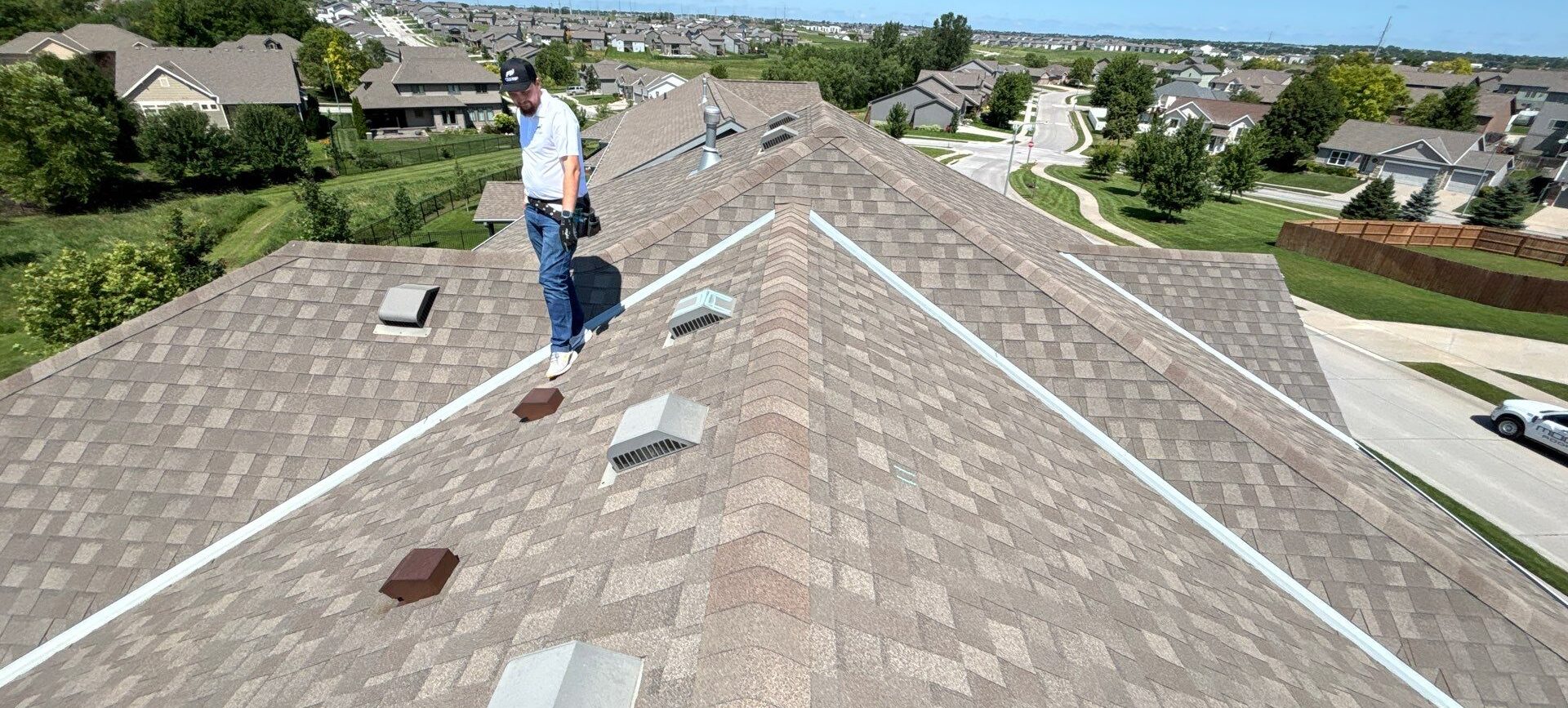
Moose Roofing professional inspecting attic ventilation and roof decking
Complete Evaluation Attic conditions, intake, exhaust, and airflow
Our Inspection Process

We Look at the Complete Attic System

Ventilation problems are not always caused by the vents themselves. Our inspection considers how the roof, attic, insulation, intake, and exhaust components work together before we recommend improvements.

Inspect

Evaluate the Attic and Roof

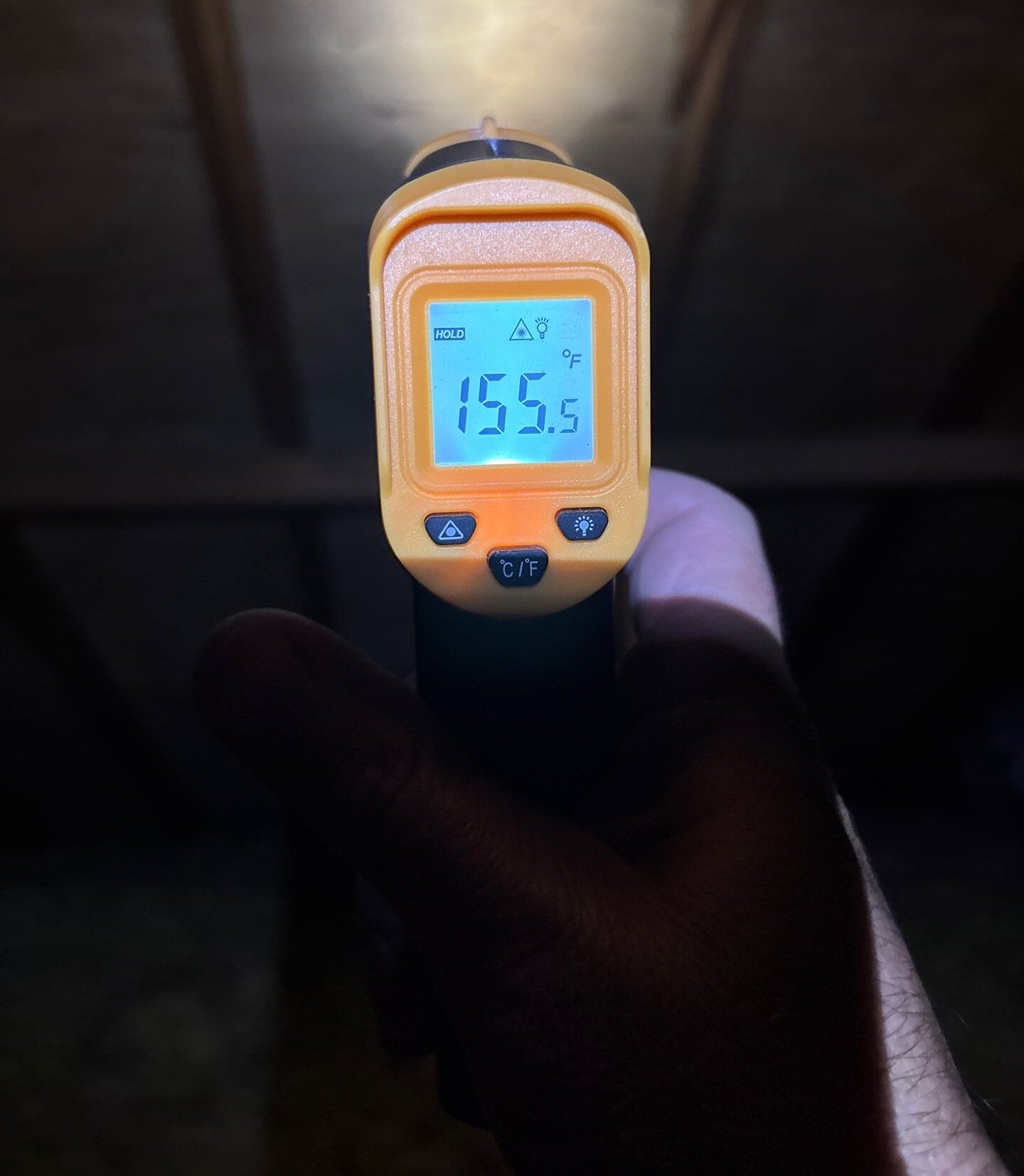
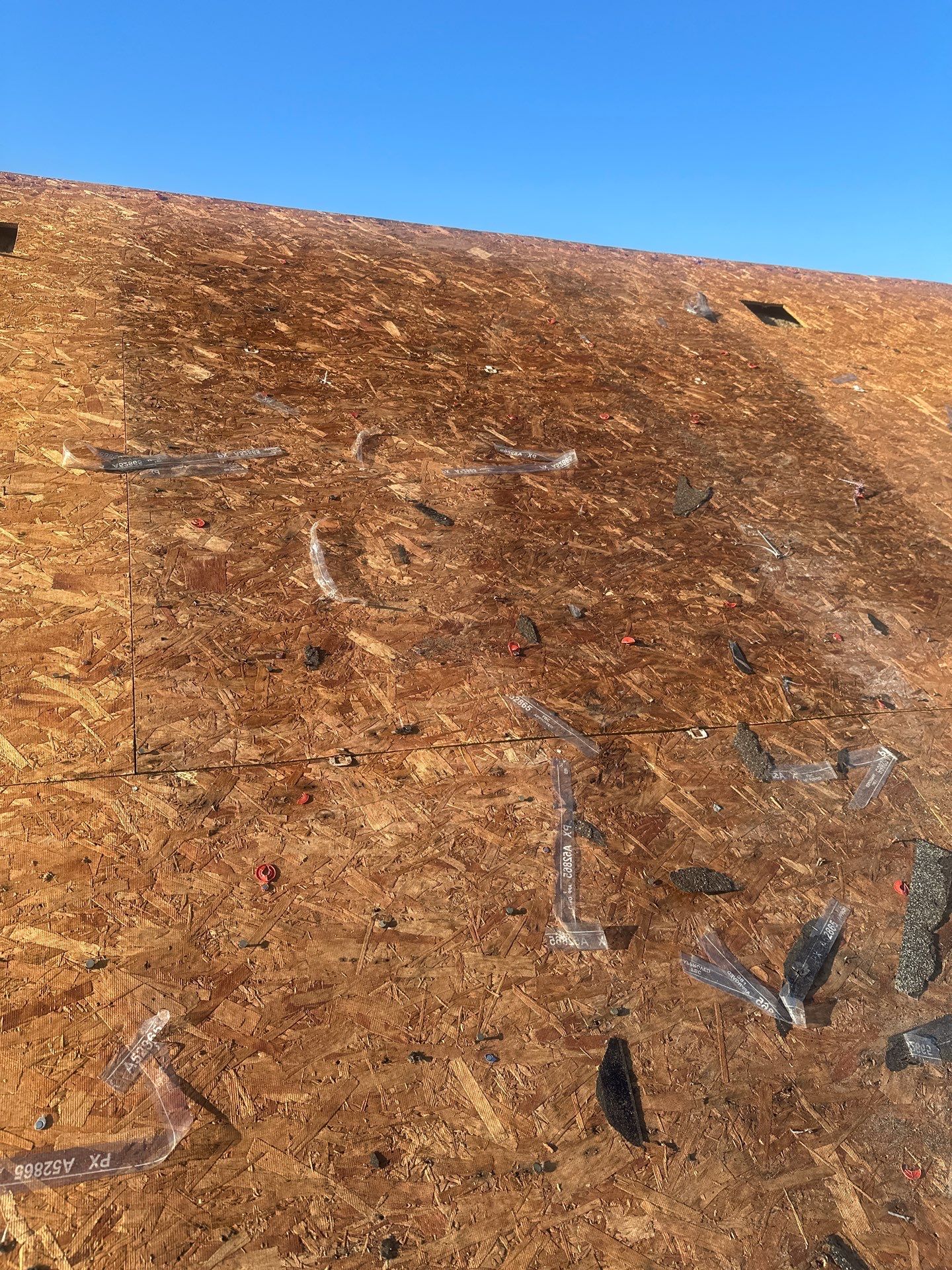
We examine accessible attic conditions, roof decking, insulation, ventilation openings, baffles, and visible signs of excess heat or moisture.

Assess

Review Intake and Exhaust

We evaluate whether fresh air has a clear path into the attic and whether warm, moisture-filled air has an appropriate way to exit.

Explain

Document What We Find

We review the findings, provide photo documentation when available, and explain which conditions may be affecting the attic or roofing system.

Recommend

Build the Right Ventilation Plan

If improvements are needed, we recommend an intake and exhaust solution based on the home’s roof design, attic conditions, and existing ventilation.
Ready For An inspection? Book now
Ventilation Benefits

What Proper Attic Ventilation Can Support

Balanced attic ventilation helps manage the heat and moisture that build up beneath the roof throughout Nebraska and Iowa’s changing seasons. The result is a healthier environment for the attic, roofing system, and insulation.

Moisture Control

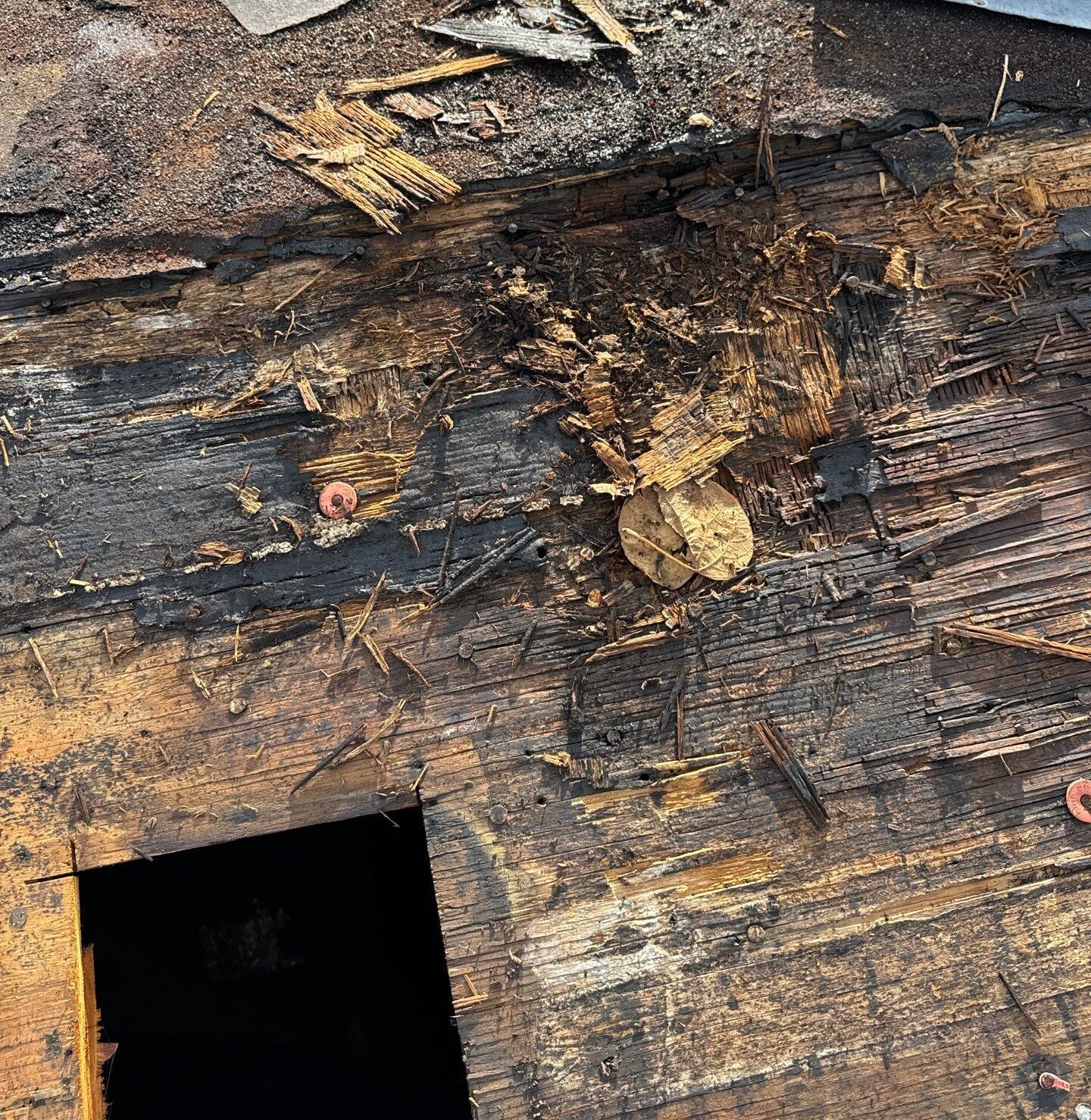
Continuous airflow helps move moisture-filled air out of the attic before it contributes to condensation and wood deterioration.

More Manageable Attic Temperatures

Ventilation allows rising heat to escape instead of remaining trapped beneath the roof during warmer months.

Roof-System Performance

Managing excessive heat and moisture helps reduce unnecessary stress on shingles, roof decking, and other roofing components.

Improved Insulation Performance

A clear ventilation path helps protect insulation from moisture and allows it to perform its intended role more effectively.

Reduced Ice-Dam Risk

During Midwest winters, proper airflow can help limit uneven roof temperatures that contribute to melting and refreezing at the eaves.

More Consistent Home Comfort

Managing attic heat and moisture can support more consistent temperatures in the living spaces below.

Moose Roofing team providing roofing and attic ventilation services
Local Experience Serving Eastern Nebraska and Western Iowa
Why Moose Roofing

We Look Beyond the Roof Surface

Attic ventilation is part of the complete roofing system. Moose Roofing evaluates how the roof, attic, intake, exhaust, insulation, and moisture conditions work together before recommending improvements.

We document accessible conditions, explain the available options, and recommend solutions based on the home instead of applying the same ventilation setup to every roof.

Why Homeowners Choose Moose
Since 2008 Local roofing experience
15,000+ Projects completed
740+ Google reviews
Complete System Roof and attic evaluations

Areas we serve

Proudly serving homeowners across Omaha and surrounding Nebraska and Iowa communities.

FAQs

What are signs of poor attic ventilation?

Common signs include high energy bills, hot upstairs rooms, excessive attic heat, moisture buildup, condensation, mold growth, and ice dams during winter.

How does attic insulation affect my home?

Attic insulation helps reduce heat transfer between your attic and living spaces. Proper insulation can improve comfort, increase energy efficiency, and help maintain more consistent indoor temperatures.


Can poor ventilation damage a roof?

Yes. Excess heat and moisture trapped in the attic can contribute to premature aging of roofing materials, wood deterioration, and other roofing-related issues.

Does every home need attic ventilation?

Yes. Most homes require balanced attic ventilation to help manage heat and moisture throughout the year.


Do you inspect insulation and ventilation during roof inspections?

Yes. Our comprehensive exterior inspections include evaluating attic conditions, insulation levels, ventilation performance, and other factors that may impact your home's roofing system.

We've Been Here. We're Here Now. We're Here to Stay

an inspection

Moose Roofing - Copyright 2026