
The Short Answer
Most Nebraska attics need R-49 to R-60 of insulation. For climate zone 5, ENERGY STAR recommends R-60 in an uninsulated attic, or adding R-49 if you already have 3 to 4 inches. In blown-in cellulose, R-60 is about 16 inches deep. Moose Roofing checks insulation during attic inspections across Omaha and Lincoln.
How Much Attic Insulation Do I Need in Nebraska?
For most homes, the answer is R-49 to R-60. ENERGY STAR's recommended insulation levels for climate zone 5 are R-60 for an attic with no insulation, and R-49 added on top of an attic that already has 3 to 4 inches.
R-value measures how well insulation resists heat moving through it. The higher the number, the better it keeps winter heat in your living space and out of the attic. New Nebraska homes built under the 2018 energy code need R-49 in the ceiling. Many older Omaha and Lincoln homes have far less, especially if the attic hasn't been touched since the house was built.
What Climate Zone Is Nebraska In?
Nebraska is in climate zone 5, a cold and moist climate. The Midwest Energy Efficiency Alliance's Nebraska energy code training lists the whole state in zone 5A. That zone number is what you'll use on any insulation chart. If you live across the river in Iowa, check your county on the Department of Energy's climate zone map before you buy materials.
How Many Inches of Insulation Is R-60?
It depends on the material. ENERGY STAR estimates R-value per inch for common attic insulation:
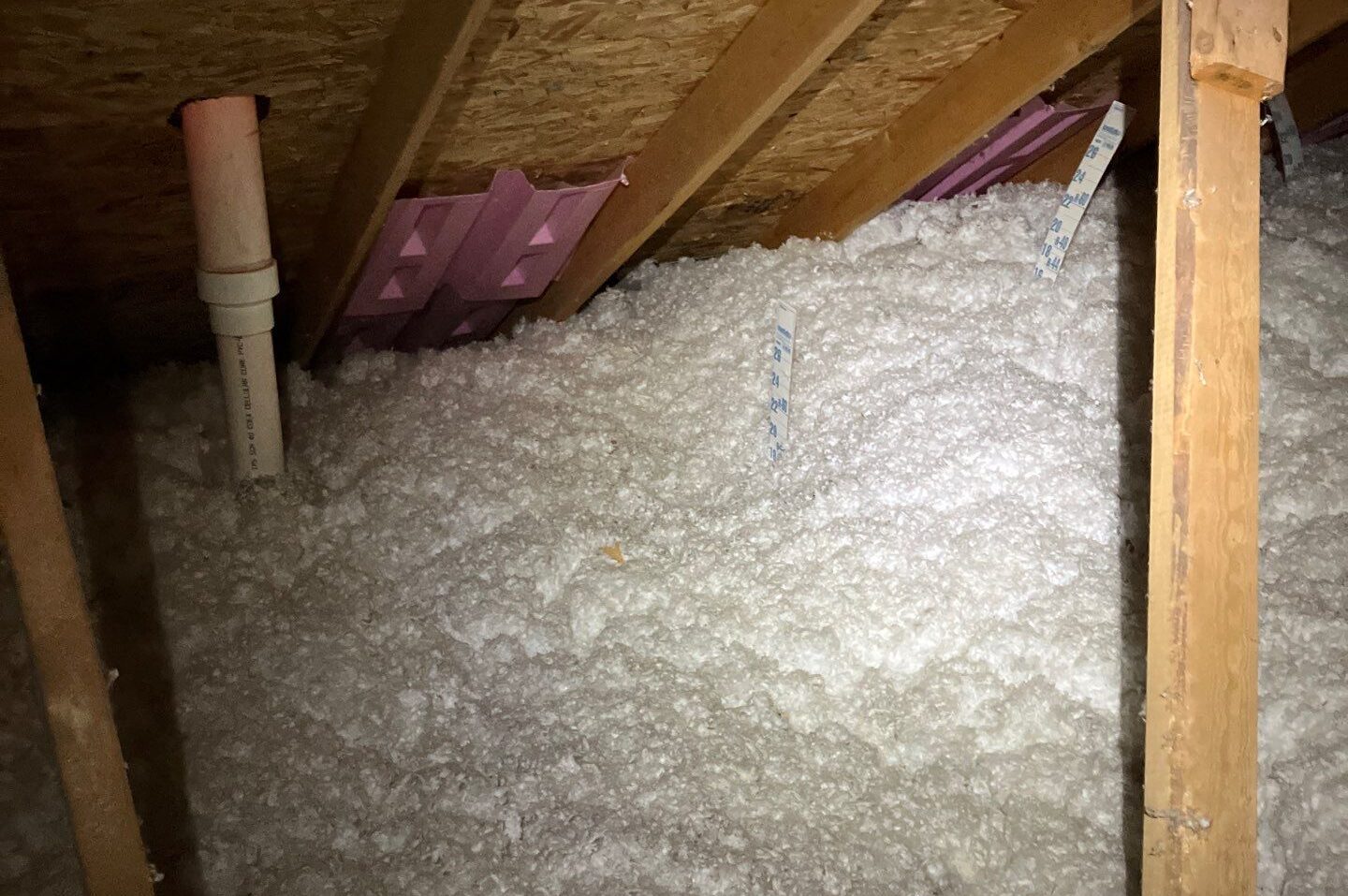
- Loose-fill cellulose: about R-3.7 per inch, so R-60 is roughly 16 inches and R-49 is roughly 13 inches.
- Loose-fill fiberglass: about R-2.5 per inch, so R-60 is roughly 24 inches and R-49 is roughly 20 inches.
- Fiberglass batts: about R-3.2 per inch, so R-49 is roughly 15 inches.
- Loose rock wool: about R-2.8 per inch.
Those are estimates. Insulation that's been compressed, soaked by a roof leak, or packed down by storage boxes delivers less than its depth suggests.
How Do You Check Your Attic Insulation Depth?
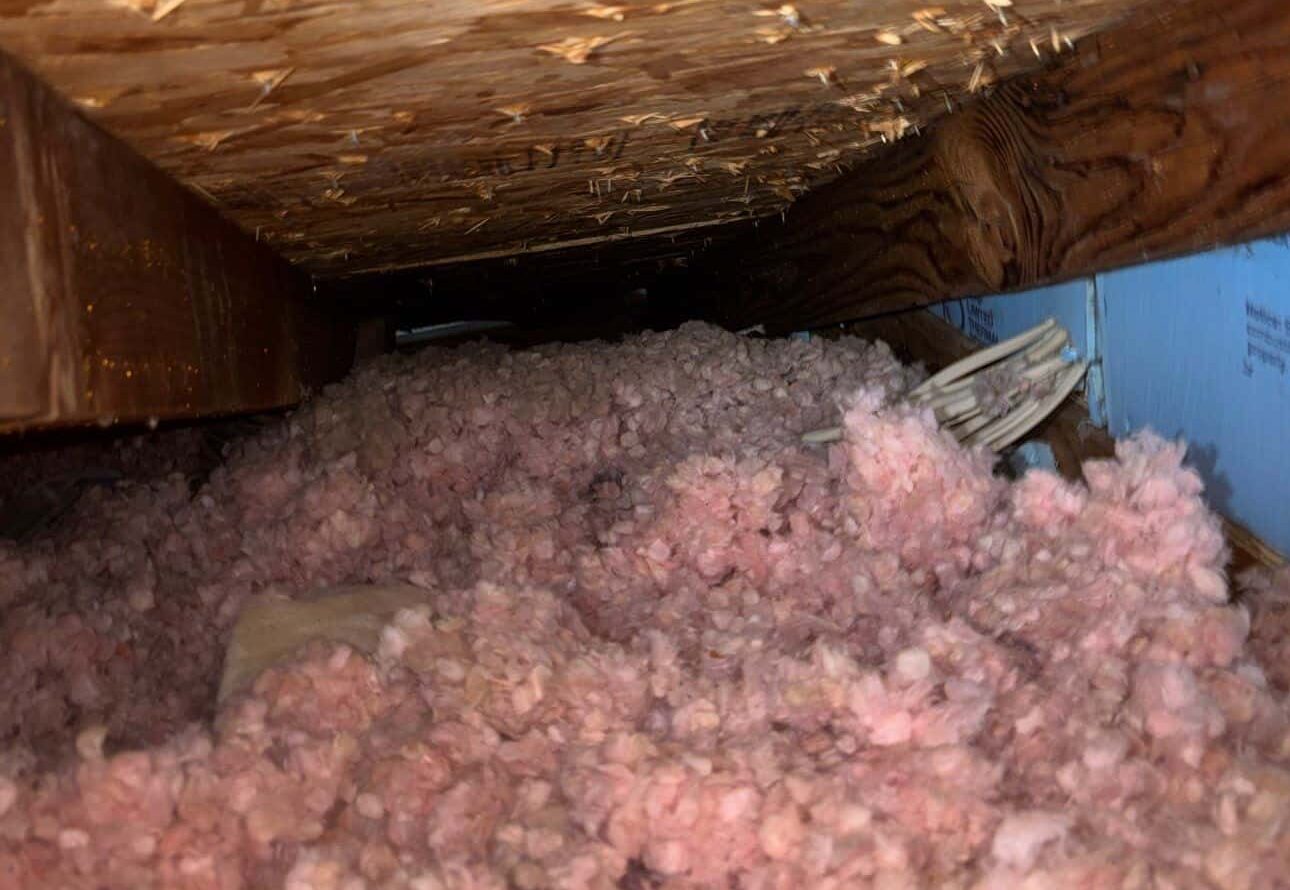
Bring a tape measure and a flashlight, and push the ruler straight down to the attic floor in a few spots. Multiply the depth by the per-inch number for your insulation type to estimate your R-value. A quick visual check: if the tops of the ceiling joists are showing, you almost certainly need more.
ENERGY STAR's attic safety tips are worth following:
- Step only on joists or truss chords, never on the drywall between them.
- Watch for roofing nails poking through the deck above you.
- Wear gloves, a dust mask, safety glasses and a cap.
- Don't disturb gray-brown, pebble-like vermiculite. It may contain asbestos and should be tested first.
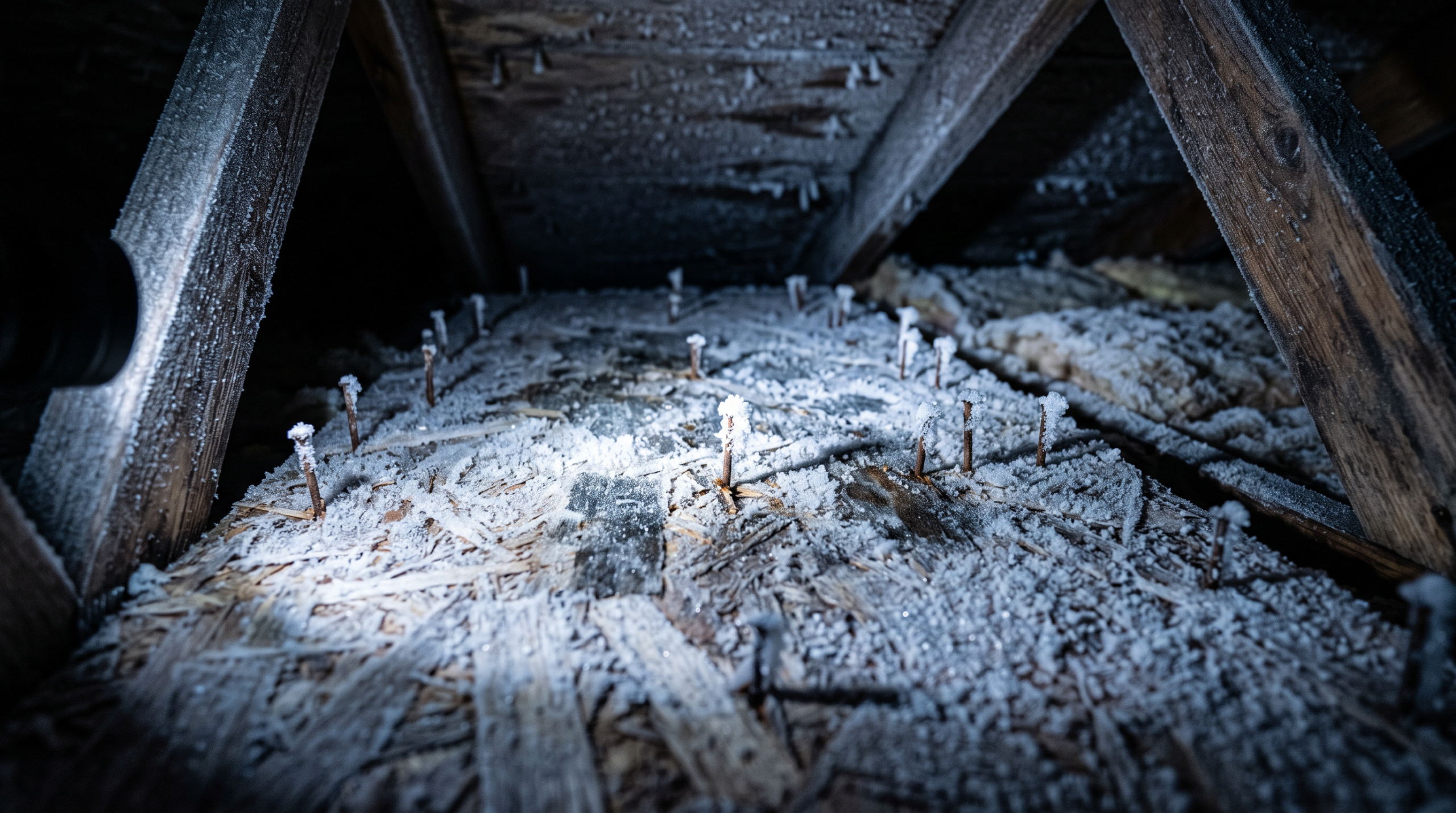
While you're up there, look for frost, damp spots or dark stains on the roof deck. Those point to moisture problems that more insulation alone won't fix. Here's why frost forms on attic nails.
Should You Air Seal Before Adding Insulation?
Yes. Insulation slows heat, but it doesn't stop air. Warm, moist air from your living space slips through gaps around light fixtures, plumbing stacks, the attic hatch and bathroom fans, right through the insulation. ENERGY STAR recommends air sealing the attic before adding insulation, because those gaps are much easier to reach before another foot of material covers them.
Air sealing also cuts down on the warm air that causes ice dams and attic frost. That's why our home insulation services start with an evaluation of the whole attic, not just a depth check.
Can Too Much Insulation Cause Problems?
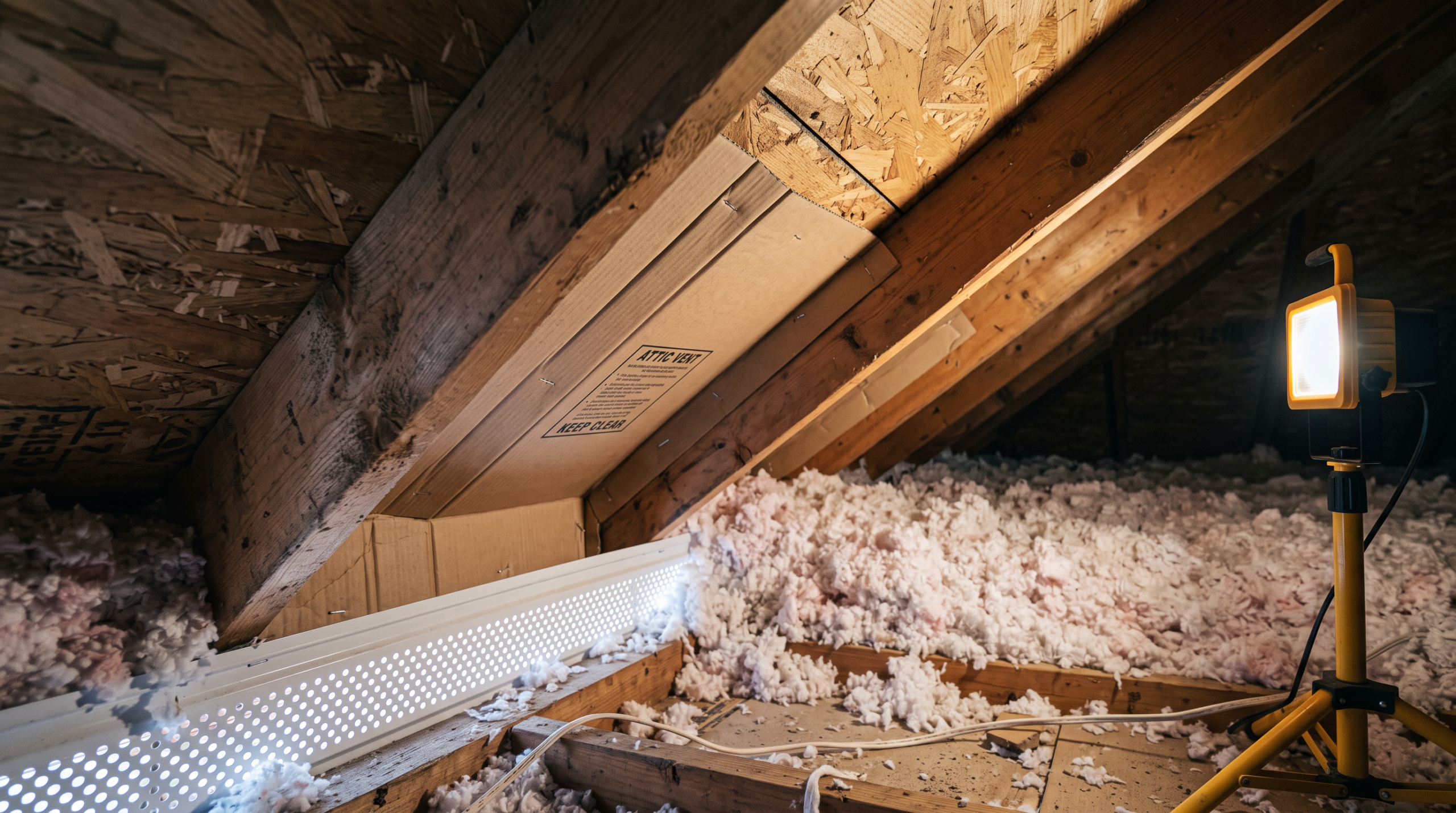
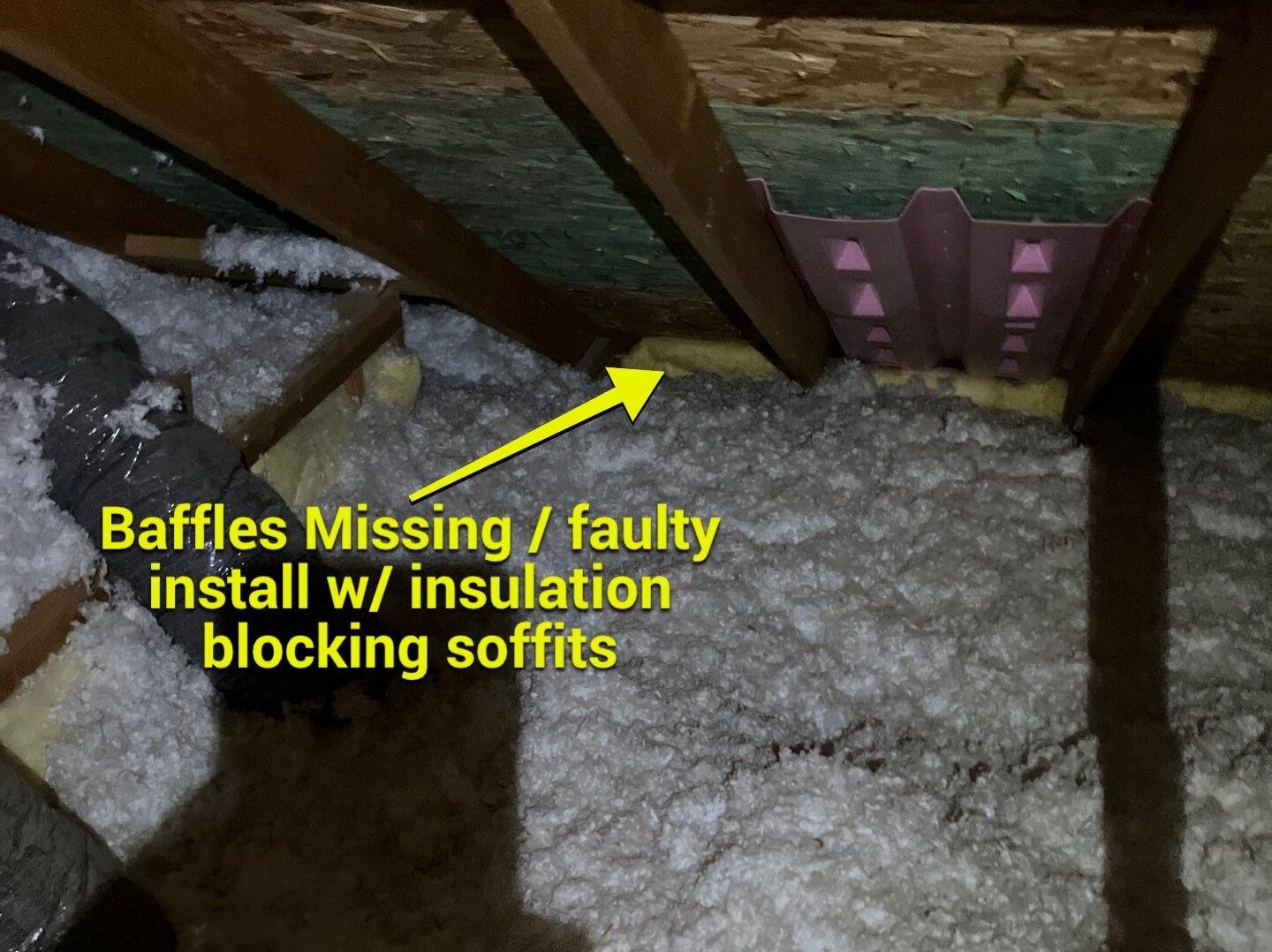
Not in itself, but where it goes matters. Blown-in insulation piled against the eaves can block the soffit vents that bring cold air into the attic. Without that intake, moisture gets trapped and the roof deck stays warm, which feeds frost and ice dams.
The fix is baffles, also called rafter vents, that hold insulation back and keep an air channel open at each rafter bay. Insulation and attic ventilation need to be planned together. Our post on whether to close attic vents in winter explains why a cold, well-vented attic is the goal.
The Bottom Line
Most Nebraska attics should have R-49 to R-60, which is roughly 13 to 16 inches of blown-in cellulose or more for fiberglass. Seal the air leaks first, keep the soffit vents clear, and then add insulation to the right depth. If you'd like a second set of eyes, Moose Roofing will inspect your attic for free and show you what you have.