
Uneven Indoor Temperatures
Certain rooms or floors feel noticeably warmer or colder than the rest of your home.
Proper insulation helps reduce heat transfer, maintain more consistent indoor temperatures and improve the overall performance of your home. Moose Roofing provides insulation solutions based on the condition and needs of your attic.
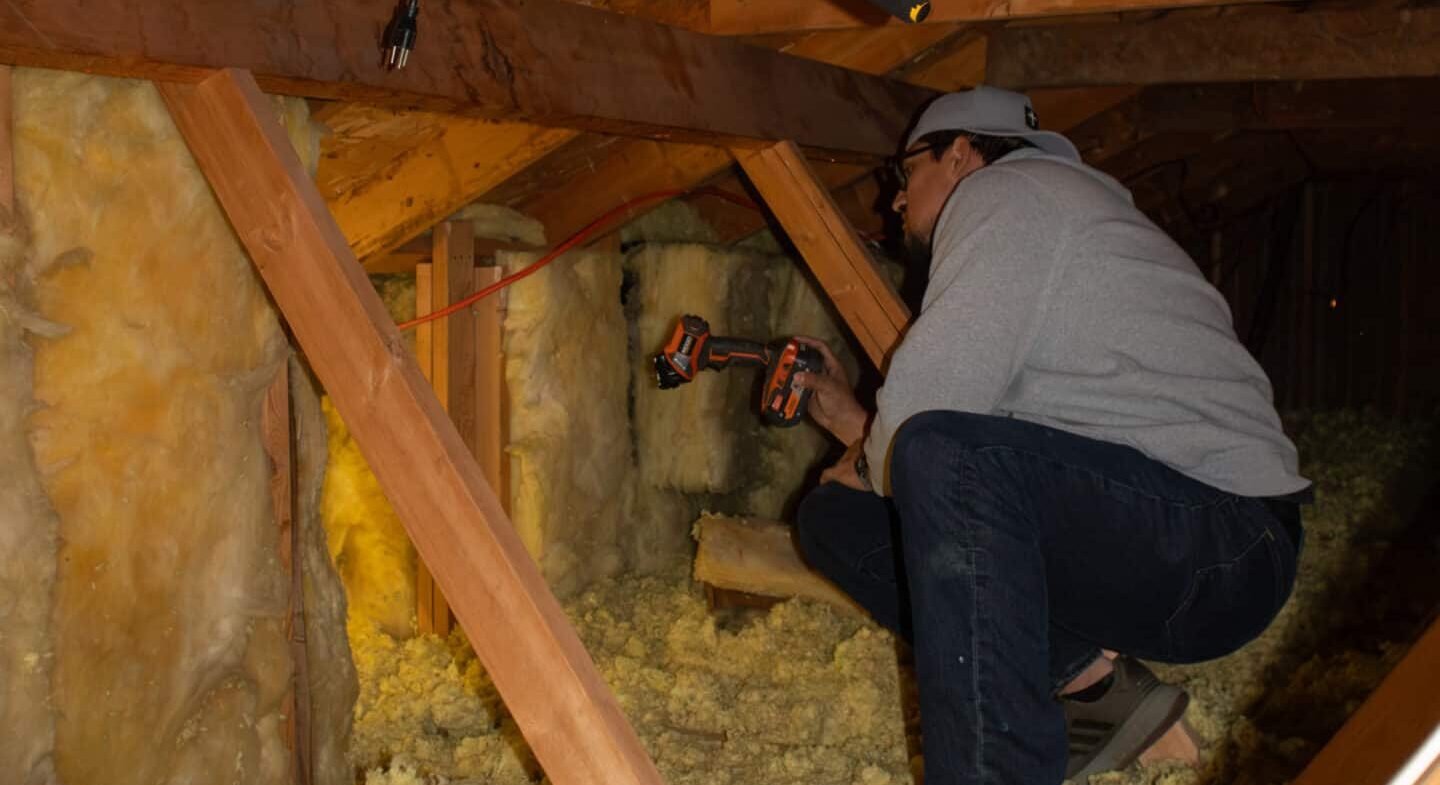
Insulation creates a thermal barrier that helps slow heat transfer between your living space, attic and the outdoors.
When insulation is insufficient, uneven or damaged, certain rooms may become difficult to heat or cool. Your HVAC system may also need to run more frequently to maintain a comfortable indoor temperature.
Properly installed insulation can support more consistent temperatures, better year-round comfort and improved energy efficiency. However, insulation is only one part of the attic system—it must work alongside proper airflow and ventilation.
How Do Different Roof Ventilation Vents Work?Insulation problems are not always visible from inside your home. Changes in comfort, energy use and attic conditions may indicate that your existing insulation needs to be evaluated.
Certain rooms or floors feel noticeably warmer or colder than the rest of your home.
Your heating or cooling system runs often as it works to maintain a comfortable temperature.
Drafts near attic access points, ceilings or upper-level rooms may indicate unwanted air movement.
Visible gaps, low areas or displaced material can weaken the attic’s thermal barrier.
Moisture and compression may reduce the insulation’s ability to perform as intended.
Unusual melting patterns along the roof may point to heat escaping into the attic or another attic-system concern.
Every attic is different. Existing materials, coverage, moisture and airflow should be evaluated before new insulation is installed. We recommend improvements based on the conditions we find—not a one-size-fits-all package.
Insulation cannot correct every attic concern. If we find signs of roof leaks, moisture or improper airflow, we will explain those conditions before recommending additional insulation.
New insulation may be installed to improve thin, uneven or insufficient coverage throughout accessible attic areas. The material and amount recommended will depend on your attic’s construction, existing insulation and overall condition.
Wet, contaminated, compressed or significantly damaged insulation may need to be removed before new material is installed. An evaluation helps determine whether complete removal or a targeted correction is appropriate.
Openings around attic access points, penetrations and other transitions may allow conditioned air to move into the attic. When appropriate, air-sealing improvements can be completed alongside insulation work.
An insulation evaluation looks beyond the amount of material in your attic. We examine accessible conditions that may affect comfort, efficiency and the overall performance of the attic system.
We examine the visible depth, distribution and consistency of the insulation throughout accessible attic areas.
We look for insulation that appears wet, compressed, displaced, contaminated or otherwise unable to perform as intended.
Accessible attic openings, penetrations and transitions are evaluated for signs of unwanted air movement.
We check whether insulation appears to be blocking accessible intake vents, baffles or other ventilation pathways.
We explain the conditions we find and recommend improvements based on the needs of your home and attic system.
Insulation helps your home resist unwanted heat transfer. When it is installed correctly and works alongside proper attic ventilation, it can support a more comfortable and efficient home throughout the year.
Proper coverage helps reduce noticeable temperature differences between rooms, floors and different areas of your home.
Insulation helps retain warmth during colder conditions and reduces heat movement into conditioned areas during warmer weather.
A consistent thermal barrier slows the movement of heat between your living space, attic and the outdoors.
Reducing unwanted heat transfer may help your heating and cooling system maintain indoor temperatures more effectively.
Proper insulation supports the performance of the attic when combined with balanced intake and exhaust ventilation.
Limiting unwanted heat movement can reduce the demand placed on your home’s heating and cooling equipment.
Insulation performance can be affected by air leakage, ventilation, moisture, HVAC conditions and the construction of the home.
Moose Roofing provides home and attic insulation services throughout eastern Nebraska and western Iowa. Our team understands how hot summers, freezing winters and frequent temperature changes can affect attic comfort and insulation performance. We evaluate accessible attic conditions and recommend improvements based on the needs of your home.
We explain the conditions we find, what may be causing them and which improvements are appropriate for your home.
Proudly serving homeowners across Omaha and surrounding Nebraska and Iowa communities.
Common signs include uneven room temperatures, visible gaps in coverage, drafts, frequent HVAC operation and insulation that appears compressed or damaged. An evaluation is needed to determine whether adding insulation is the right solution.
In some situations, new insulation can be added over existing material. Existing insulation should first be evaluated for moisture, contamination, compression and other conditions that may require removal or correction.
Yes. Insulation slows heat transfer, helping retain warmth during colder conditions and reducing heat movement into conditioned areas during warmer weather.
No. Insulation slows heat transfer between the home and attic. Ventilation allows outside air to move through the attic. The two systems perform different functions but must work together.
The best option depends on the attic design, existing insulation, accessibility and project goals. Blown-in materials are commonly used because they can provide consistent coverage across open attic areas.
Moose Roofing - Copyright 2026