
The Short Answer
No. You shouldn't close attic vents in winter. The vents carry out the warm, moist air that leaks up from your living space. Block them, and that moisture turns into frost, wet insulation and ice dams. Moose Roofing sees it in attics across Omaha, Lincoln and Council Bluffs every winter.
Should You Close Attic Vents in Winter?
No. Attic vents should stay open all year, including through a Nebraska winter. It feels backwards to let cold air into the top of your house, but the cold air isn't the problem. Your attic sits above the insulation, outside the heated part of your home, so a cold attic is exactly what you want.
In winter, vents are really about moisture. Showers, cooking, laundry and even breathing put water vapor into your home's air, and some of that warm, damp air slips into the attic through small gaps in the ceiling. Open vents let it escape before it condenses on the cold underside of your roof.
The Asphalt Roofing Manufacturers Association notes that attic ventilation working together with properly installed insulation helps prevent ice dams and supports the life of your roof. That's why our attic ventilation inspections in Omaha, Lincoln and Council Bluffs look at both.

Why Is a Cold Attic a Healthy Attic?
A well-ventilated attic in winter should be only a little warmer than the air outside. When it is, snow melts evenly off the roof, moisture leaves before it can settle, and your insulation stays dry enough to do its job.
Ventilation works as a system. Intake vents low on the roof, usually in the soffits, pull outdoor air in. Exhaust vents near the peak, like a ridge vent, let warm air out. Close either side and the flow stops. Our guide to how different roof vents work explains each type.
The barrier between your warm house and your cold attic is the insulation and air sealing on the attic floor, not the vents. If heat is escaping, that's where the fix belongs.
What Happens When Attic Vents Are Blocked?
Closing or covering attic vents traps moisture, and in a cold attic that moisture collects on the coldest surfaces it can find. Here's what usually follows:
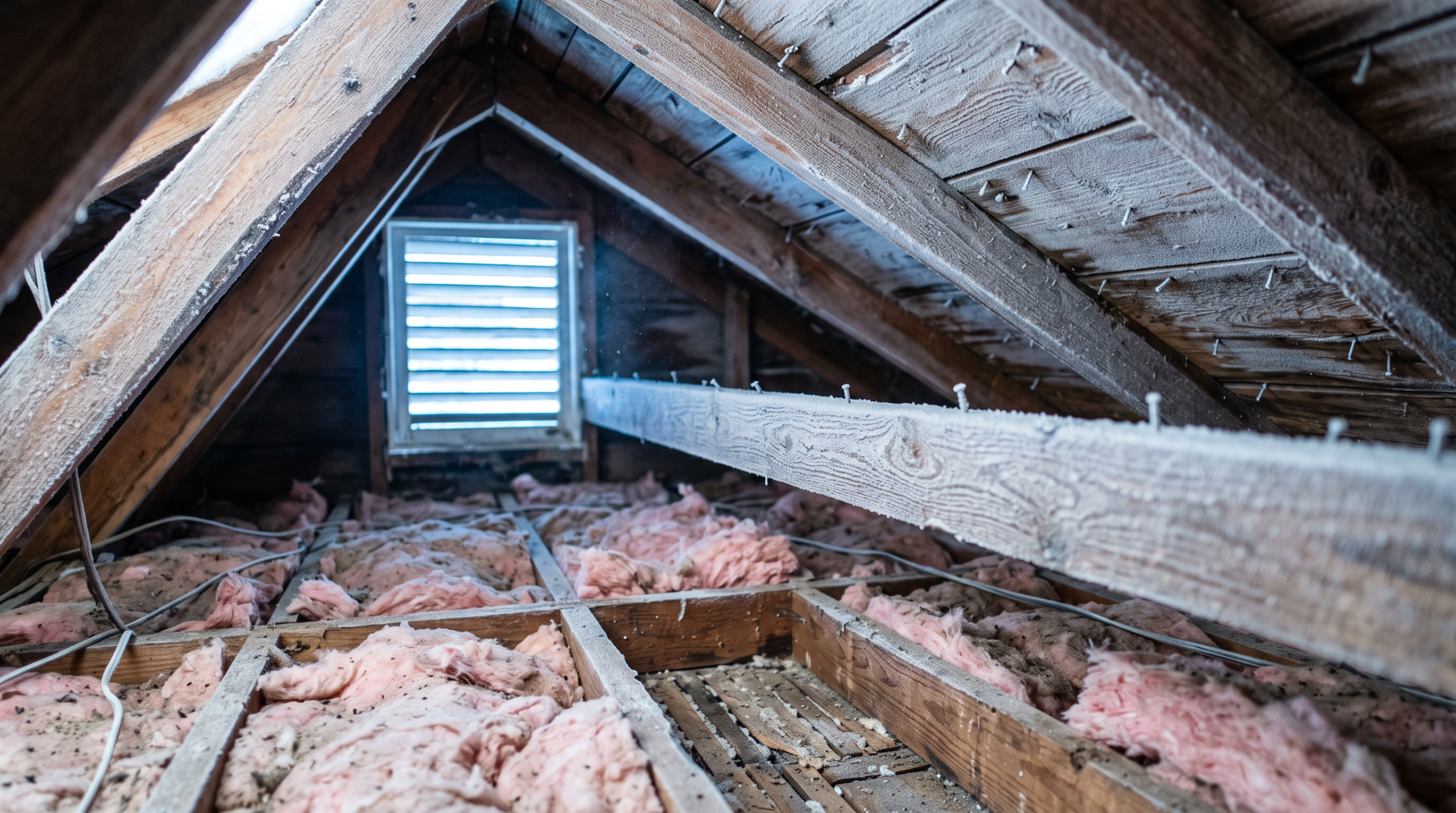
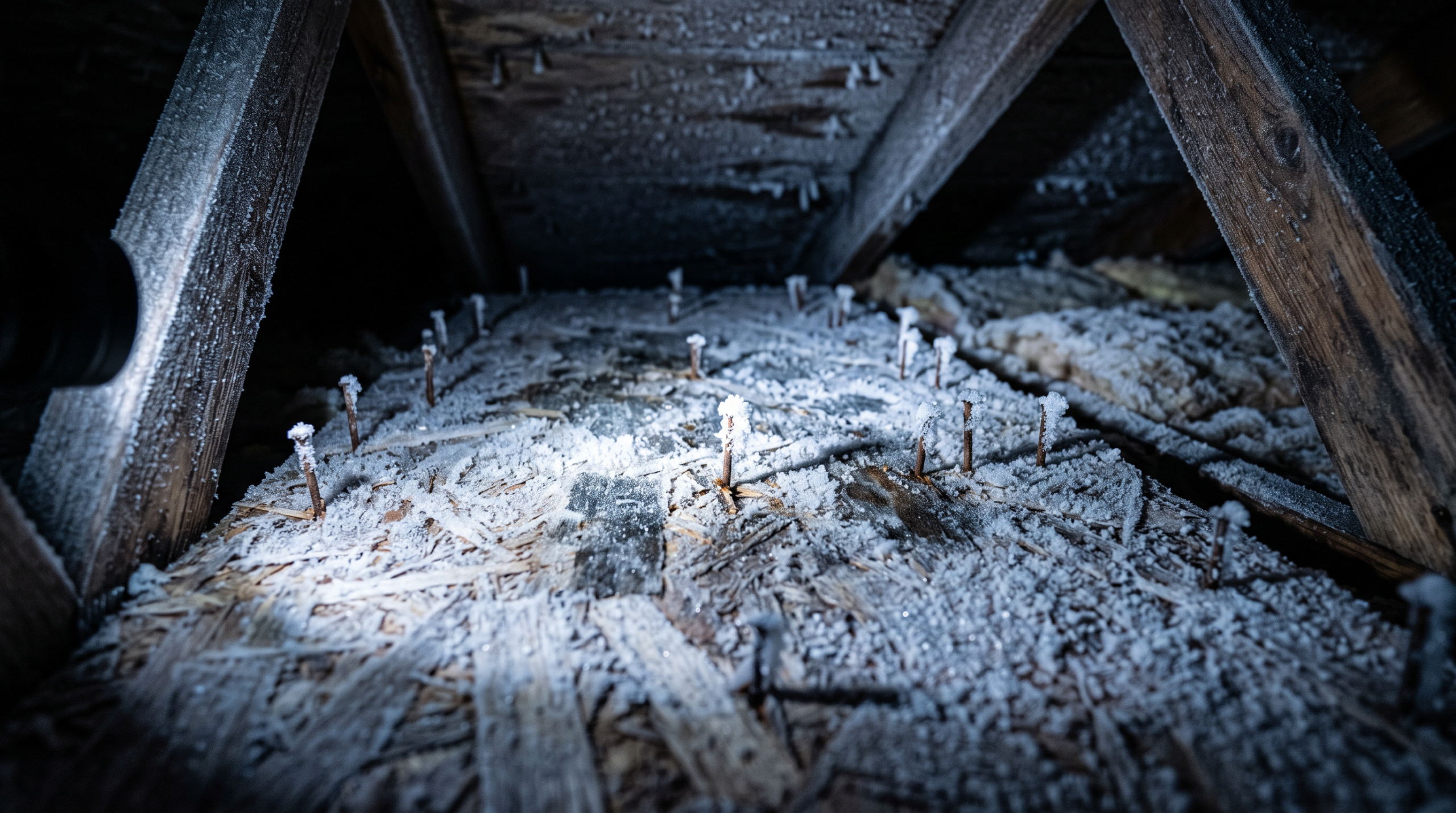
- Frost on the roof deck and nails. Warm, damp air freezes on the cold wood and the nail tips poking through it. Learn more about frost on your attic nails.
- Wet insulation and ceiling stains. When the temperature climbs above freezing, that frost melts and drips onto insulation and drywall. It's often mistaken for a roof leak.
- Mold and wood rot. Repeated wetting and drying gives mold a foothold on roof decking and rafters.
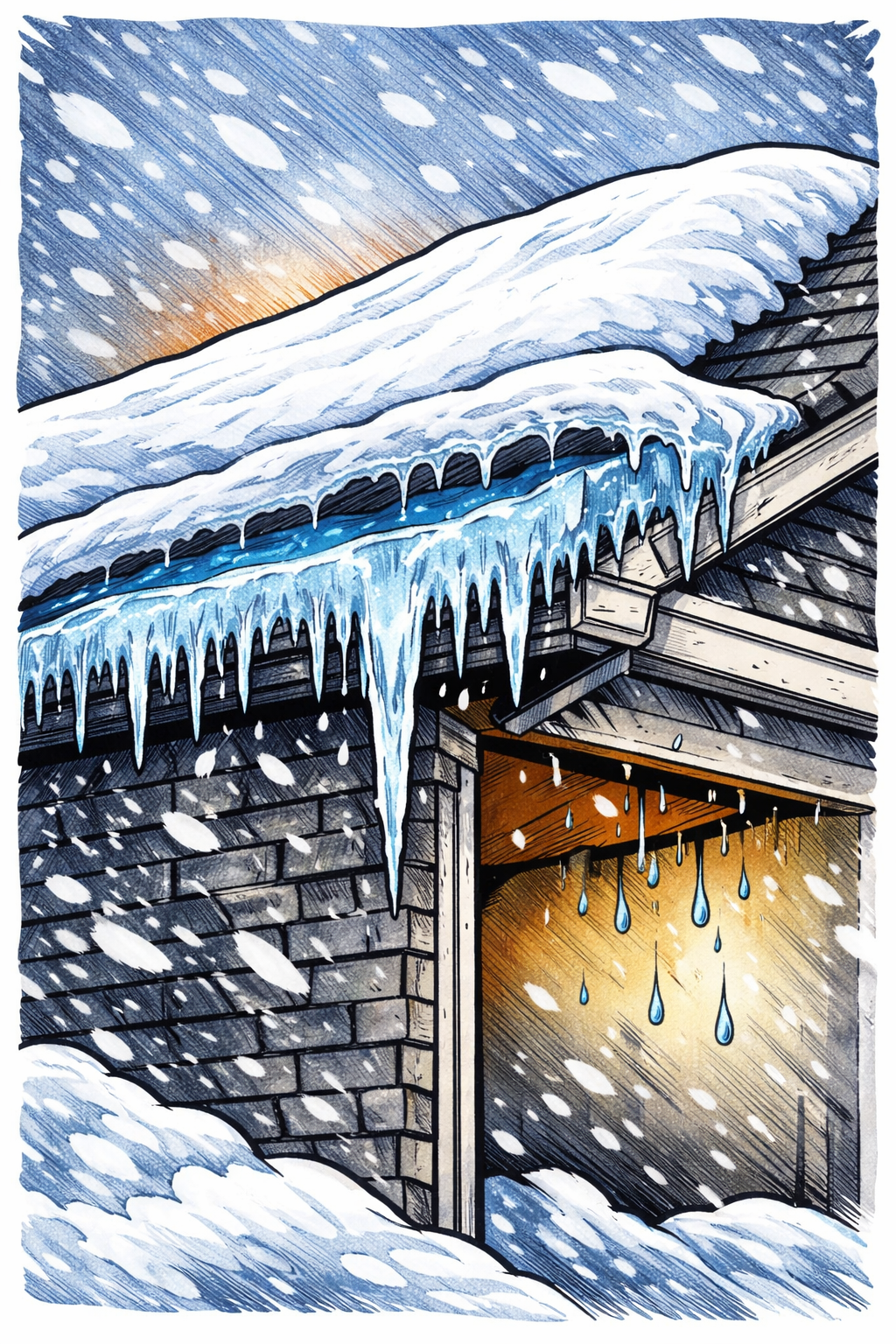
- Ice dams. A warm, poorly vented attic melts snow from below, and the water refreezes at the cold eaves. See why fixing the cause of ice dams matters more than chipping the ice.
- Shorter shingle life. Heat and moisture trapped under the deck stress roofing materials all year. Poor ventilation can damage a roof in ways you can't see from the ground.
Is It OK to Cover Gable Vents or a Turbine Vent in Winter?
Usually not. If a gable vent or turbine is part of your attic's exhaust, covering it cuts airflow just like closing any other vent. Turbine covers are sold at hardware stores, but leave them on the shelf unless a roofer has checked how your attic is ventilated.
People usually reach for a cover because of a real problem: a turbine that squeals or won't spin, or fine snow blowing through a vent during a storm. Those call for a repair or a better vent, not a blocked one. Mixing different exhaust vents can also make airflow short-circuit, so have the whole system looked at before you change any single vent.
Drafty House in Winter? Here's Where the Heat Is Really Escaping
If your upstairs feels cold or your heating bill jumps, the cause is almost always air leaks and thin insulation in the attic floor, not open vents. Warm air rises and slips through any gap it can find. Common leak points include:
- Attic hatches and pull-down stairs without weatherstripping
- Recessed light fixtures in the top-floor ceiling
- Gaps around plumbing vents, wiring and chimneys
- Bathroom exhaust fans and their ductwork
ENERGY STAR recommends air sealing the attic before adding insulation, because insulation works best when air isn't moving through it. Once the leaks are sealed, the right depth of attic insulation keeps heat in your living space while your vents keep the attic cold and dry. For other warning signs, see 7 signs your attic isn't ready for an Omaha winter.
What Should You Do When Snow Covers Your Roof Vents?
In most cases, nothing. A normal snowfall over a ridge vent or box vents rarely stops airflow completely, and it usually clears on its own within a few days. Don't climb onto a snowy roof to dig out vents. It's dangerous, and shovels and boots can damage shingles.
Call a pro if heavy drifts or ice stay on the roof for days, icicles keep forming along the eaves, or water stains appear on your ceiling. Our guide on when snow should be removed from a roof covers the warning signs, and our team offers professional roof snow removal when buildup becomes a problem.
The Bottom Line
Keep your attic vents open all winter. A cold, dry, well-ventilated attic protects your roof deck, insulation and ceilings, while air sealing and insulation keep the heat where it belongs. If you're seeing frost, ice dams or drafty rooms, Moose Roofing will inspect your attic and roof for free and show you what's really going on.