Omaha Roofing Blog

Archive for Announcements – Page 5

Roofing Home Insurance: Does It Cover Roof Replacement Projects?

Does Homeowners Insurance Cover Roof Replacement?

What Homeowners Should Know About Roof Insurance Coverage

Storms can roll through Omaha in minutes, but the damage they leave behind can stir up months of questions. That “oh no” moment when you spot shingles in the yard sparks a familiar worry: Will insurance help cover this?

Sorting through what’s actually covered in a roof insurance claim can feel like trying to decode a puzzle. Between policy fine print and storm season stress, it’s hard to know who to trust or where to start.

That’s exactly where we come in. At Moose Roofing, we help Omaha property owners take the guesswork out of roof replacements and insurance claims.

What Determines If Home Insurance covers Roofing

Whether your roof is covered often comes down to the cause of the damage and the overall state of the roof itself.

Covered Damage vs. Wear and Tear

There’s a big difference between destruction caused by a surprise storm and the slow grind of old age on shingles. If wind, hail, or a fallen tree punches holes in your roof, most insurance policies step in. But if it’s just regular wear or there’s visible neglect, it likely won’t be covered. We see this in Omaha all the time-coverage depends on sudden damage versus time-worn decline.

Age and Condition of the Roof

The older the roof, the more questions your insurer will ask. Age matters because, as roofing materials degrade, coverage often decreases. Some policies reduce protection for roofs over 20 years old. We explain this during inspections, especially in older neighborhoods around Omaha. If your roof is newer and well-maintained, the odds of full replacement increase.

Coverage Types: Replacement Cost vs. Actual Cash Value

Not all policies pay the same. Replacement cost covers a new roof at current prices, while actual cash value deducts for age and wear. Many Omaha homeowners don’t realize they’re only eligible for a fraction of their roof’s original cost. We always recommend reviewing your policy with these terms in mind so you’re not left covering more than expected.

Factors That Impact Coverage Eligibility

Materials, slope, code compliance-all of these influence your insurance’s decision. A steep pitch, for instance, sheds water better and holds up longer. If your roof uses outdated or non-compliant materials, coverage may be limited. We use our inspections to verify code alignment after Nebraska storms to protect coverage eligibility right from the start.

Types of Roof Damage Typically Covered

Once you know what factors influence coverage, the next step is understanding which kinds of roof damage insurance companies are most likely to approve.

Wind can tear off shingles in an instant, but policies often have thresholds. For instance, many insurers start coverage at 60 mph winds. A storm with broken branches scattered across the yard could be your signal to call us for an inspection.

Hail and Falling Debris

If hailstones are larger than a quarter, many carriers will approve repair or replacement. Tree limbs brought down during a storm? That’s usually a green light as long as it caused immediate damage. Our team uses photos and measurements to show insurers just how bad the hit was, especially after one of Omaha’s all-too-common hailstorms.

Fire and Structural Collapse

When fire touches the roofline or weakening supports cause a cave-in, insurance steps in fast. The damage can be dangerous and urgent. We handle many emergency calls for fire-related damage, and our adjuster-friendly reports keep the approval timeline smooth. Whether it’s smoke-damaged decking or collapsed ridgelines, we pinpoint damage cleanly for faster support.

Limited Water Damage Cases

Water is tricky. If it leaks in during a covered event, you’ll usually be approved. But ongoing leaks that turn into mold? Your policy probably dodges that. That’s why we push for quick action after storms-preventing long-term moisture from becoming a non-covered issue down the road can mean thousands saved.

Common Roofing Scenarios Insurance May Deny

Just as it’s important to know what’s covered, it’s equally crucial to understand the situations where insurance companies are likely to push back or deny a claim.

General Wear and Lack of Maintenance

If a roof hasn’t been cleaned, checked, or maintained, insurers often say the damage is avoidable. We’ve seen claims denied because debris clogged a gutter and backed water into the roofline. Proper roof care is about protection-and keeping doors open when it’s time to file a claim.

Pre-Existing Roof Problems

Insuring a roof that already has curling shingles or signs of leaks can be tough. Insurers don’t want to pay for damage that wasn’t sudden. This is where Moose Roofing helps Omaha owners by providing condition reports that prove whether damage occurred from new weather or was already there.

Roof Age Thresholds and Material Elimination

Some companies simply won’t cover roofs over a certain age, especially asphalt ones. Others exclude wood shake or rolled roofing. We  flag these red zones early. That way, you can know your options before surprises come from the adjuster instead.

Excluded Risks and Unusual Events

Occasionally, damage is excluded right in the fine print. Earthquakes, war, mechanical failure-they’re not always covered.  Awareness beats disappointment after the storm clears and the denial letters roll in.

How to File a Roof Insurance Claim

Knowing what’s covered and what isn’t is only half the battle; the next step is navigating the claims process actually to secure the coverage you deserve.

Documenting the Damage

Start by snapping photos before anything changes or gets cleaned up. Get close-ups and wide shots. Our team takes that a step further with drone imaging and moisture readings as needed. We compile everything insurers want to see from day one.

Contacting Your Insurance Provider

Once the damage is confirmed, place that call. The next step is an adjuster visit. We encourage you not to go it alone; we often meet on-site to speak the same language, ensuring the right information gets shared and nothing gets missed.

Choosing the Right Contractor

Insurance adjusters don’t always recommend roofers, so choose wisely. Scammers flood Omaha after big storms. With us, you won’t get pressure or promises we can’t back. We’re certified, known locally, and handle claims honestly, and have 4.9 stars to show it.

Understanding Deductibles and Payouts

You’ll always pay your deductible, no shortcuts. However, how much you receive afterwards depends on the replacement cost versus the cash value. We break these numbers down before any work begins, so expectations match reality. No surprises, fewer headaches.

Reading and Evaluating Your Policy

Even with a solid roof and the right coverage, your policy’s fine print ultimately decides what gets approved and what doesn’t.

Key Clauses to Look For

Look for exclusions tied to roof type, age, and damage cause. We frequently help Omaha homeowners dig deep into these clauses during inspections. Knowing the fine print enables you to act fast and with confidence after storm season.

Annual Reviews and Updates

Your coverage needs change, and so do insurance rules. Each year, review your roof’s condition and your policy. We help by performing annual inspections that keep you one step ahead of surprise exclusions.

Differences by Roof Type and Use

Not all roofs are seen equally. Flat and low-slope ones carry different risks. A townhouse might have shared structure clauses. Our experience in Omaha condos and commercial buildings helps ensure your unique structure is protected just right.

When Storms Hit, Confusion Shouldn’t Follow

It’s frustrating watching your roof take a beating while wondering if insurance will step in or leave you hanging. Most policies do help with storm damage, but the fine print matters more than you think.

Coverage depends on the cause, the age of your roof, and how quickly you act. Documenting the damage and acting swiftly gives you the best chance of approval and peace of mind.

At Moose Roofing, we help Nebraska homeowners understand their policy and get through the process without the usual headaches. Schedule a free inspection today-we’ve got you covered.

Frequently Asked Questions

When should I file a roof insurance claim?

If your roof was damaged from a sudden event like a storm or hail, file a claim immediately. Waiting can risk denial.

What if my claim gets denied - can I dispute it?

Yes, and we often assist with appeal documentation. Our team provides second opinions, and insurers respect and support resubmission.

How does insurance affect roof renovations or restorations?

Any upgrades or major changes must be disclosed. We coordinate with your insurer to avoid penalties and ensure coverage remains valid.

Is roof insurance different for rental or mobile homes?

It can be. Policies may cover only certain damage types or offer cash value only. We help landlords and mobile home owners verify proper coverage.

What’s the importance of proactive roof maintenance?

It protects your home and keeps insurance ready to support if damage ever hits. We offer maintenance plans that do both.

We've Been Here. We're Here Now. We're Here to Stay

an inspection

Does a Metal Roof Increase Home Value​

Does a Metal Roof Increase Home Value?

Understanding the Long-Term Value of Metal Roofing

Watching your roof age while wondering whether a metal upgrade justifies the cost is a common question among homeowners. Metal roofs typically cost more upfront on average, nearly twice as much as asphalt shingles, but their benefits go far beyond price tags.

Studies show that metal roofs can increase a home’s resale value by nearly 6 to 10 percent, making them one of the best investments in residential roofing

Often lasting 40 to 70 years, metal roofs outperforms traditional materials and means fewer repairs and replacements over time. 

Plus, metal roofs are energy efficient, reflecting heat to lower cooling costs, and they better withstand severe weather and fire risks.

If you’re a homeowner or property manager trying to balance immediate budget concerns with long-term value and home protection, Moose Roofing is here to help. 

With years of experience helping Omaha residents choose roofing solutions that safeguard their homes and boost equity, we offer trusted guidance for your roofing decisions that truly pay off.

How a Metal Roof Affects Home Value

Home value increases from metal roof installation

We’ve seen homes in Omaha neighborhoods Millard or Dundee-fetch noticeably higher prices after a metal roof upgrade. The increase often goes beyond appearances; some sellers report up to 85% return on their investment. Homes with new roofs tend to avoid pricing battles and sell faster. 

Replacing an old roof with a standing seam metal makes a strong financial case when the time comes to sell, offering lasting protection and sleek modern curb appeal.

Comparison to other roofing materials' ROI

Asphalt shingles may seem budget-friendly at first, but metal roofs frequently offer a better return. While shingle roofing typically sees an ROI of around 60%, metal can climb to 85%. 

That edge becomes clearer in places like Omaha, where storms test durability. Homeowners don’t just calculate costs-they look at how long a roof lasts and how attractive it is to future buyers, especially when that roof has a 40- to 75-year lifespan.

Market appeal to buyers

Potential buyers often form opinions before stepping through the door. A metal roof tells buyers you’ve invested in the home’s upkeep. It removes one major concern and boosts resale visibility. 

Especially in competitive Omaha neighborhoods like Aksarben or Field Club, newer roofs help realtors market listings confidently. This can increase both foot traffic and final offers-homes simply look well cared for and move-in ready.

Advantages That Support Long-Term Property Value

Visual and architectural appeal

Metal roofs stand out because of their clean lines and premium finishes. Whether blending in with craftsman bungalows or topping modern builds, they make houses feel polished. 

Our standing seam roofs come in a wide variety of colors-from classic charcoal to bold copper tones-helping match neighborhood styles while adding distinction. That extra polish plays well at open houses and in real estate photos.

Extended lifespan and minimal maintenance needs

In Nebraska’s storm-prone climate, durability counts. A metal roof from our team withstands hail, snow, and powerful wind-with far less maintenance than asphalt. Simple gutter clearing and occasional inspections keep it in top form. 

While others are scheduling repairs, you gain peace of mind-and more time enjoying your home. This strength is what many buyers hope to find in a future-ready property.

Energy efficiency and sustainability

Metal roofs reflect sunlight, easing strain on your HVAC system during sizzling Nebraska summers. Homeowners report saving up to 25% on cooling bills. That’s not just good for the monthly budget but for resale too. 

Eco-conscious buyers in areas like Midtown or Old Market increasingly ask about energy efficiency. With lower utility bills and recyclable materials, metal checks those boxes well.

Cost and ROI Considerations

Installation cost breakdown

The average metal roofing project falls between $30,000 and $48,000 for a 2,000 sq ft home. That includes labor and materials, which vary regionally. In Omaha, local supply access and code familiarity help our crews work efficiently. 

Labor makes up a significant part of the cost, but the quality and precision in installation can prevent future issues, which is where experience really matters.

Long-term savings vs initial expenses

Chunky upfront costs can feel intimidating, but over decades, metal roofs save more than they cost. Fewer repairs, longer lifespan, and lower cooling bills balance the scales quickly. 

Our customers often express surprise at how much they save over 10–20 years. Plus, with no full replacements looming every couple of decades, that investment begins paying you back much sooner than expected.

Roofing cost comparisons

Compared to asphalt, metal costs more upfront per square foot. But zoom out to a 40-year view, and the numbers shift. Asphalt often needs more than one replacement in that time. Plus, shingle roofs tend to need frequent maintenance and repairs. 

When weighing short-term savings against longevity, fewer replacements, and consistent reliability, metal often edges out traditional options.

Metal Roofing Specifications That Boost Appeal

Standing seam metal roof features

Standing seam systems use interlocking panels that keep wind, water, and even snow out. This sleek setup is as functional as it is beautiful. Buyers appreciate these roofs because they don’t warp or blow off in Nebraska windstorms. 

We often use them in detailed installations around dormers or additions, giving a home a sharp, unified look that continues to impress year after year.

Color and finish options

Kynar-coated finishes on our metal roofs provide strong resistance to fading and chalking. Whether you want a matte finish that blends softly into the neighborhood or bold hues that pop, there’s a fit. Matching HOA guidelines or creating contrast with trim and siding is easy. 

You’ll find homeowners in neighborhoods from Elmwood Park to West Papillion choosing metal to enhance, not overpower, their exterior style.

Warranty and product longevity

Our metal roofs come with warranties lasting 30+ years and material coverage stretching over decades. Once installed, you’re not likely to worry about it again. Buyers recognize that kind of resilience. 

A house with a metal roof becomes the kind of place people want to live in because upkeep stress fades into the background. Long-lasting protection becomes a quiet, daily benefit.

Factors to Weigh Before Choosing a Metal Roof

Drawbacks affecting installation decisions

Metal roofs shine, but they’re not for everyone. They can dent under strong impact and proper installation matters too. Scratches during setup aren’t frequent, but they need attention to avoid early wear. 

Noise used to be an issue, though most modern systems include insulation that softens rain or hail impact. Still, it’s worth having a full conversation before deciding.

Budget and accessibility challenges

Sticker shock can stop people from going with metal. It’s true; upfront cost is higher than shingle. But for some, financing softens that blow. We help customers explore payment plans and options that fit their budget without sacrificing durability. 

Short-term cost doesn’t need to override long-term sense when decisions are done together, with all facts on the table.

Regional and insurance considerations

Living in Omaha, storm damage isn’t a “maybe”-it’s expected. Many insurance companies reward metal roofs with policy discounts. Some customers need to update their coverage post-installation to reflect the reduced risk of damage. 

Premiums might shift, but documentation and clear records often help bring those adjustments into line quickly. We help customers navigate those changes efficiently.

More Than Just a Roof-It’s a Smart Move

Some upgrades feel uncertain, but others just make sense. This one falls in the second category-hands down.

When you’re thinking about value, protection, and peace of mind, this upgrade checks all the boxes effortlessly.

It brings long-term savings, stronger protection, and better curb appeal all in one go. That kind of return is hard to ignore.

If you’re planning ahead or prepping to sell, this choice can easily pay off in more ways than one.

At Moose Roofing, we’ve helped Omaha property owners boost their value with solid, lasting roof solutions.

Let’s chat about how we can make your next roofing decision the right one, contact us today

FAQs: Metal Roofs and Real Estate Impact

Will a metal roof increase home appraisals?

Yes. Metal roofs often contribute positively to home appraisals. Appraisers value materials with long life and minimal repair history. Insurance premiums may also drop due to higher durability ratings, which appraisers will see as financial benefits for future buyers.

Should I replace my roof before selling my home?

If your roof is nearing its lifespan or shows damage, replacing it can raise your home’s value and shorten the time on the market. Buyers hesitate when they see patchwork repairs or curling shingles. A new metal roof adds confidence and value to any listing.

Are metal roofs a good investment?

They are one of the best home exterior upgrades. Metal roofs offer top-tier durability, curb appeal, and energy savings while potentially boosting resale value. We’ve seen countless homeowners recover major portions of their metal roof cost when selling.

What’s the insurance adjustment after installing a metal roof?

Most insurers offer better rates for the metal because of its strength against hail, wind, and fire. Just be sure to report the upgrade to your insurer. They’ll often require the material documentation or photos, but premiums may shift in your favor.

Can I install a metal roof myself?

It's not recommended. Standing seam installation demands precision and experience-one wrong angle can cause future issues. Our certified crews have roofed over 20,000 homes in Omaha, and we’ve seen DIY jobs go wrong. Leave it to professionals who know how to do it right the first time.

We've Been Here. We're Here Now. We're Here to Stay

an inspection

How Long Does a Commercial Roof Last​

How Long Do Commercial Roofs Last in the Midwest?

What Property Owners Should Know About Commercial Roof Life Expectancy

A commercial roof typically lasts 15 to 45 years, depending on the roofing material, installation quality, climate conditions, and how well it’s maintained over time.

At Moose Roofing, we understand that commercial property owners in Omaha need reliable roofing systems that stand the test of time. That’s why we not only install high-performance roofing solutions but also provide ongoing support to ensure maximum roof life.

Whether you own a retail facility, an office building, or an industrial warehouse, knowing the expected lifespan of your commercial roof helps you make smarter maintenance and replacement decisions, ultimately saving time and money in the long run.

Average Lifespan of Commercial Roof Types

The longevity of your commercial roof greatly depends on the materials used. For example:

  • TPO (Thermoplastic Olefin) or flat roofing is known for its affordability and energy efficiency, generally lasting between 20 and 30 years. Its bright white surface reflects heat, making it a smart choice for energy-conscious businesses.
  • EPDM roofing, often called rubber roofing, is another standard flat roofing solution. With proper care, EPDM can last 25 to 35 years. It’s durable and highly resistant to UV rays, which makes it a solid option for buildings in areas with strong sun exposure.
  • PVC roofing has a similar lifespan of 20 to 30 years, and it’s ideal for commercial properties like restaurants or manufacturing plants because it can withstand chemical exposure and grease discharge. 
  • Metal roofing is the most long-lasting option, with a lifespan reaching 40 years or more. It’s durable, fire-resistant, and withstands Nebraska’s extreme weather conditions. 
  • Modified Bitumen, a popular asphalt-based material, offers a service life of around 15 to 25 years, depending on how well it’s maintained.

What Impacts the Lifespan of a Commercial Roof?

Several factors play a role in determining how long your commercial roof will last. Installation quality is crucial — even the best roofing material won’t last long if it’s improperly installed. 

That’s why working with an experienced and certified contractor like Moose Roofing ensures your roof gets a solid start.

Omaha’s fluctuating weather — from summer heat waves to heavy snowfalls — can accelerate roof wear and tear. Flat roofs are especially vulnerable to ponding water if drainage isn’t well managed, which can shorten the life of the roof membrane. Frequent foot traffic from maintenance crews or HVAC technicians can also lead to damage if walk pads or protective layers aren’t in place.

Another key factor is maintenance. A roof that’s inspected and maintained regularly will always outlast a neglected one. Even small cracks or membrane blisters can escalate into serious issues if not addressed promptly. By scheduling seasonal checkups and quick repairs, you can significantly extend the life of your roofing system.

Signs Your Roof May Be Nearing the End of Its Life

Every commercial roof eventually shows signs of age. Leaks returning even after multiple repairs are a red flag that your roof’s membrane may fail. 

You might notice visible signs like bubbles, cracks, or worn-out seams. Stains on interior ceilings or walls can also indicate underlying damage that’s reached the insulation layer.

Other common signs include sagging roof lines, increased HVAC costs due to poor insulation, and corrosion on metal roofing panels. If your commercial roof is over 20 years old and showing these symptoms, it’s time to consider a professional inspection. Moose Roofing offers commercial roof inspections to help you evaluate your roof’s condition and determine the best next steps.

How to Extend the Life of Your Commercial Roof

Taking a proactive approach to roof maintenance can add years to your commercial roof’s lifespan. Routine inspections — ideally twice a year — allow you to catch issues early, such as minor leaks or deteriorating flashing. After major storms, inspections are essential to check for hail damage or debris buildup.

Keeping the roof surface clean and ensuring that drains and gutters are free from obstructions helps prevent water pooling, which is a common cause of membrane degradation. 

Applying roof coatings, such as silicone or acrylic, can also provide an extra layer of protection against UV rays and weathering. At Moose Roofing, we provide tailored roof restoration and coating services that can rejuvenate an aging roof at a fraction of the full replacement cost.

Concerned About Your Commercial Roof's Lifespan?

Contact us at Moose Roofing today to schedule a professional roof inspection or request a free consultation. Let’s make sure your business is protected — now and into the future.

FAQs About Commercial Roofing

What is the average lifespan of a commercial roof?

The average lifespan of a commercial roof ranges from 15 to 45 years, depending on the roofing material used. For example, TPO and PVC roofs typically last 20 to 30 years, while metal roofing systems can exceed 40 years with proper care. Routine maintenance and professional inspections significantly extend your roof’s service life.

To maximize the lifespan of your commercial roof, schedule biannual inspections, address minor repairs early, and keep the roof surface clean and free of debris. Investing in protective coatings and ensuring proper drainage can also help prevent premature wear and tear. Working with a certified roofing contractor like Moose Roofing ensures expert maintenance and long-term performance.

You should consider replacing your commercial roof if it’s 20+ years old and showing signs like persistent leaks, membrane damage, or sagging areas. If repairs are becoming frequent and costly, a full commercial roof replacement may be more cost-effective than ongoing patchwork. A professional inspection can help determine the best course of action.

We've Been Here. We're Here Now. We're Here to Stay

an inspection

How to Find A Good Roofing Company​​

How to Find A Good Roofing Company​​

Key Things to Look for in a Roofing Company

A roofing company doesn’t just fix or replace shingles—they decide whether your house stays protected for the next 20 years or starts leaking by next spring.

And in Omaha, where hail, wind, and sudden temperature swings are part of the deal, you need more than just a contractor who “does roofing.” 

You need someone who knows the region, stands behind their work, and doesn’t disappear the second the job is paid for.

So, how do you spot the right one? Here’s what separates the good roofers from the ones you’ll wish you never called.

1. Start Local—Always

Out-of-towners make promises. Local companies make it right.

Roofing in Omaha isn’t generic. Our weather chews through cheap shingles, strong winds rip up weak installs, and hail doesn’t care how nice the sales pitch was. 

A local company knows how to build for that—and how to deal with your city’s permit system, building codes, and insurance quirks.

And here’s the big one: if anything goes wrong later, they’re still here.

Storm chasers and fly-by-night outfits? They’re long gone by the time your flashing fails.

Moose Roofing was built in Omaha. We know the neighborhoods. We know the codes. And when we say we’ll be here, you can bet on it.

2. Don’t Just Ask About the Company—Ask About the Crew

Too many homeowners hire a roofing company, thinking they’ll get pros, but they end up with random subcontractors the company has never met.

Here’s the hard truth: It’s not the logo that builds your roof. It’s the crew.

You want to know:

  • Are they full-time or picked off a job board?
  • Are they certified to install the product you’re paying for?
  • Is there a site manager? Or just a guy in a van?

At Moose Roofing, we use trained, certified, in-house crews. Not freelancers. Not unverified subs. That’s how we deliver consistent quality, and back it with manufacturer warranties that actually mean something.

3. Warranties That Actually Mean Something

A lot of roofers love throwing around the word “warranty”—but ask them to explain it, and suddenly it’s all hand-waving.

Here’s what matters:

  • Material warranties come from the manufacturer, but only apply if the roof was installed to spec
  • Workmanship warranties come from the roofer, and they’re only good if the roofer is
  • If a company won’t walk you through exactly what’s covered, how to claim it, and who handles it, it’s not a real warranty.

Moose Roofing is certified by major manufacturers like IKO, which means our installs qualify for extended coverage backed by the supplier, not just our word.

And if something ever goes wrong? We don’t dodge calls. We show up.

4. Look for a Transparent Process—Not Just a Polished Website

Anyone can throw up a flashy homepage and say they “care about quality.” But a good roofing company proves it before a single shingle hits your roof.

Here’s what a real process looks like:

  • They walk your roof, not just eyeball it from the sidewalk
  • They explain what they see, show you photos, and talk solutions, not sales
  • You get a written estimate with materials, scope, and timeline spelled out
  • There’s a clear point of contact from start to finish—not a game of phone tag

At Moose Roofing, every job starts with a free inspection and ends with a full walkthrough. We don’t leave you guessing. We make sure you understand every step—before, during, and after the job.

5. What a Real Quote Should Include

A quote isn’t just a price—it’s a roadmap for the job.

If all you get is “Roof replacement – $14,000” and a handshake? You’re being set up for surprises.

A good roofing quote breaks down:

  • Materials – brand, product line, colour, quantity
  • Prep work – underlayment, ventilation, flashing, rot repair if needed
  • Labour and cleanup – how long it take, who’s doing it, what happens after
  • Terms – deposits, payment milestones, what happens if weather delays things
  • Communication throughout the process

We’ve seen quotes that looked $2,000 cheaper—until the “oh, that wasn’t included” bills started rolling in.

At Moose Roofing, everything’s in writing. No surprises. No fine print.

6. Compare Contractors Carefully—Not Just By Price

A lower price looks good on paper, but on the roof, it often shows up as:

  • Cheap underlayment
  • Poor ventilation
  • Rushed install work
  • No warranty coverage
  • And worst of all, no one returns your calls when leaks show up six months later.

We’re not saying price doesn’t matter. It absolutely does. But you’ve got to look at what’s included—materials, labour, cleanup, warranties, experience, reliability.

At Moose Roofing, we price fairly. Not cheap. Not bloated. Because when you pay once and it can last 20 years or more, that’s real value.

7. Trust Your Gut—But Back It with the Right Questions

You know that feeling when something’s off? Listen to it. Then ask questions to confirm it.

A good roofer welcomes questions. A shady one dodges them or tries to make you feel stupid for asking.

Here’s what to ask:

  • What materials are you quoting, and why?
  • Will your crew do the install, or are you hiring subs?
  • What happens if I have an issue 6 months from now?
  • Can you show me jobs you’ve done in the area?

You’re not being a difficult customer—you’re protecting your home.

At Moose Roofing, we’d rather have 10 smart questions than one blind “yes.”
Because educated homeowners don’t fall for fly-by-night contractors.

8. What Sets a Great Roofing Company Apart

Most companies can lay shingles. But great companies do things you don’t see on the quote:

  • They educate before they sell.
  • They keep a clean jobsite and don’t leave trash in your yard.
  • They show up when they say they will—and finish on schedule.
  • They train their crews, not just throw warm bodies on the roof.
  • They own the result. If something goes wrong, they make it right.

That’s what we do at Moose Roofing. Not because it’s flashy. Because it’s the right way to do business—and it’s how we’ve earned trust from Omaha homeowners for years.

9. Pre-Call Checklist: What to Know Before You Pick Up the Phone

Before you get on the phone with any roofer (including us), here’s what to have ready:

  • Know your roof type: Asphalt, metal, tile? Steep or low slope?
  • Take clear photos of any visible damage or leaks
  • Have your insurance info handy if it might be a storm claim
  • Decide if you’re after a repair or full replacement
  • Write down 2–3 smart questions so you don’t forget mid-call

These small steps show the roofer you’re serious—and help you spot who respects your time and who’s just chasing a sale. If not, we will help to navigate the process with you.

A Good Roofer Protects More Than Your Roof

The right roofing company doesn’t just nail down shingles. 

They protect your home, your money, and your peace of mind.

And in a city like Omaha, where the weather’s unpredictable and roofers come and go, you need a crew that’s not just capable, but accountable.

Look for the signs. Ask the right questions. Don’t settle for vague promises or cut-rate quotes.

At Moose Roofing, we keep it simple: We show up, tell you what’s really going on, do the job right, and stand behind it.

Tired of the runaround? Want straight answers? Contact Moose Roofing and talk to a team that actually gives a damn about your roof—and your experience.

We've Been Here. We're Here Now. We're Here to Stay

an inspection

Choosing a Roof Repair Contractor: What to Look For

Choosing a Roof Repair Contractor in Omaha: What to Look For

How to Find a Reliable Roof Repair Contractor in Omaha

You Need a Roof Repair. But Who Can You Trust?

It always starts the same way. You discover a dark spot on your ceiling or you notice the slow and constant dripping water sound during a stormy night. Maybe you became aware of a neighbor’s contractor van and suspect that your roof is next.

So you search. You type “roof repair contractor in Omaha” and hit Enter.

Suddenly, you’re drowning in names. Some you’ve heard of. Most you haven’t. And they all say the same thing: “Best in the business.” “Family-owned.” “We treat you like you’re our only customer.”

But here’s the truth: not every roofer in Omaha deserves to be on your roof.

And when it is your home, your money, and your peace of mind on the line – you want to make the right decision without having any thoughts on that matter.

This guide will help you to find a trusted and best roof repair company in Omaha. Without any further delay, Let’s start.

1. Don’t Just Search “Best Roofer Near Me.” Ask Better Questions.

Online rankings can be bought. Word-of-mouth cannot.

Start local. Ask your neighbors, friends, and even coworkers. The best recommendations aren’t found in ads – they’re found in conversations like:

“Who fixed your roof after that hailstorm last spring?”
“Did they actually show up when they said they would?”
“Would you hire them again?”

2. Find the Ones Who Specialize in Repair, Not Just Replacement

Here’s a dirty little industry secret: many roofing companies don’t want to do repairs.

Why?
Because replacements are more profitable, faster, and easier to schedule.

But you? You might just need a few shingles replaced, some flashing resealed, and peace of mind restored. And you deserve a company that takes repairs seriously – not one that pressures you into a full tear-off when you don’t need it.

Ask this directly:

“Do you handle repairs regularly, or do you mostly do full replacements?”

If the answer is vague or they pivot into replacement talk too fast, move on.

3. Don’t Be Afraid to Question Them - You’re Hiring a Professional, Not Making a Friend

You’re trusting someone with your home. Ask the hard questions:

  • Are you licensed and insured in Nebraska?
  • Will you inspect both the roof and attic?
  • Can you show me photos of similar repairs you’ve done?
  • What happens if it leaks again next month?
  • Who do I contact during the job – do I get a project manager or just a phone number?

Pay attention to how they answer. If they sound annoyed, dismissive, or try to speed through… keep looking.

 4. Look at Their Work Like You’d Look at a Used Car

Before you buy a car, you check mileage, look for rust, ask about maintenance records, and take it for a test drive.

Why would your roof be any different?

Here’s what you want to see:
  • Before-and-after photos of actual Omaha homes
  • Testimonials from people who aren’t just first names and stock photos
  • Case studies or stories with real context (“This homeowner had storm damage. We patched and sealed within 24 hours.”)

If a company can’t show you work they’re proud of, they’re not the one.

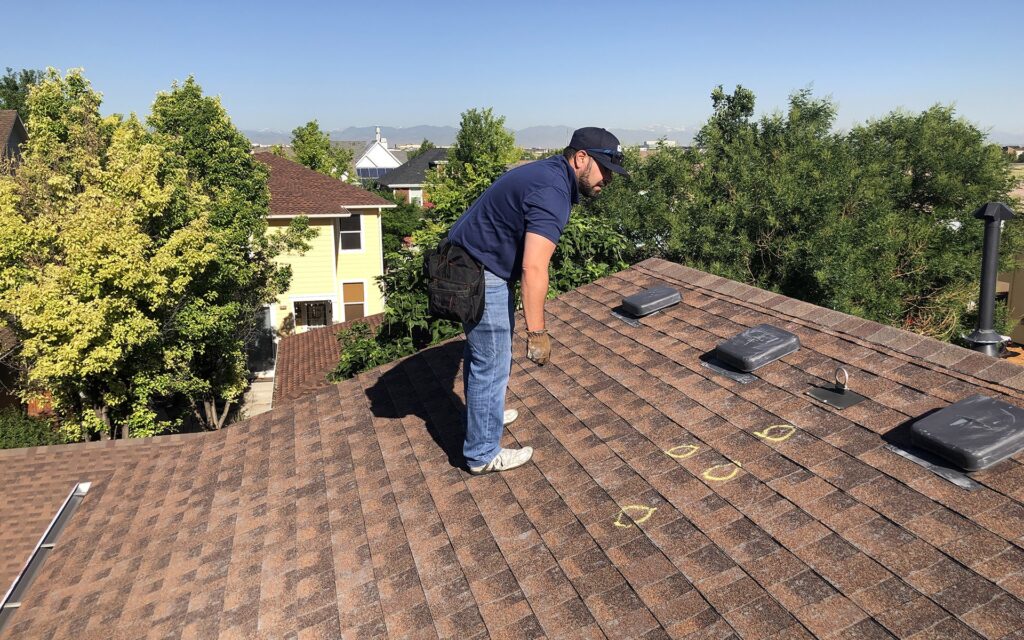
A roofing professional inspects a home’s roof under clear blue skies.

5. Pricing Should Be Clear, Fair, and Make Sense to You

Here’s what shady companies do:
They give you a vague estimate. They throw around big numbers without explaining the “why.” And later, they send a bill that magically includes “extras.”

Don’t let that happen.

Ask for:

  • A written quote with labor, materials, and timeline clearly laid out
  • Explanation of why a repair is recommended
  • Any conditions that might change the price once work begins

Good contractors won’t just give you a number – they’ll help you understand it.

6. What Good Roofers Don’t Do

  1. They don’t pressure you with same-day decisions
  2. They don’t ask for full payment upfront
  3. They don’t avoid answering questions about warranties
  4. They don’t disappear after the job’s done

Insted:

  • They do follow up.
  • They do stand by their work.
  • They do treat your property like it’s their own.

 7. Ask This One Question Before You Say Yes:

“What happens if it leaks again next month?”

This question separates the amateurs from the pros.

Good roofers will tell you exactly how they handle callbacks, what their workmanship warranty includes, and how they back their name.

At Moose Roofing, for example, we don’t ghost our customers once the job’s done. If we fix it, we stand by it. That’s not a policy – it’s just the right way to do business.

8. Repairs Are About Protection - Not Just Patching

You’re not just fixing a leak. You’re protecting your home from mold, water damage, higher energy bills, and stress.

A good repair company sees the bigger picture.

They’ll check:

  • Whether poor ventilation caused the issue
  • If the gutters are contributing to the leak
  • How recent storms may have compromised other parts of the roof

They don’t just stop the drip. They stop the source.

9. Why Omaha Roofs Need Omaha Roofers

Omaha isn’t easy on roofs.

From blazing summers to blizzards, hailstorms to microbursts – your roof faces it all. And only someone who’s worked on hundreds of local homes understands what actually works here.

At Moose Roofing, we’ve served Omaha for years. We’ve seen what works, what fails, and what shortcuts eventually cost. That experience doesn’t come from textbooks – it comes from being up on a roof in July heat or February sleet, solving real problems for real families.

 Not Just a Fix - A Roofing Contractor You Can Rely On

Choosing a roof repair company in Omaha isn’t about picking the lowest price or the first website in the search engine. It’s about finding someone who respects your time, your budget, and your home.

Someone who explains what’s happening without the jargon.
Someone who doesn’t push you toward the most expensive option.
Someone who shows up, fixes the issue, and stands by their work – every time.

That’s the company you want. That’s the company you deserve.

Let’s Make This Easy – Need an honest roof inspection? Have a leak that won’t wait?

Moose Roofing is here. Local. Licensed. Reliable.
We fix it right the first time – and we’re always a phone call away if you need us again.

Don’t wait for a ceiling stain or emergency. Schedule your inspection with Moose Roofing today and protect your home with confidence.

We've Been Here. We're Here Now. We're Here to Stay

an inspection

How Much Does a Residential Metal Roof Cost​?

How Much Does a Residential Metal Roof Cost in Omaha?

Average Metal Roof Cost Per Square Foot

If you’re looking for a trusted roofing company in Omaha to install a residential metal roof, Moose Roofing offers expert inspections and free estimates.

With the number of options available, it is only natural to wonder how to choose the best option for you and how to navigate the costs. Before making the switch, it’s essential to understand the costs involved.

At Moose Roofing, our team provides high-quality residential metal roofing solutions with expert roof replacement in Omaha and durable materials. Read on as we break down the factors that affect metal roofing costs, including material choices, installation expenses, and long-term savings.

Average Cost of a Residential Metal Roof

On average, a metal roof costs between $10,000 and $30,000, depending on several factors. The price per square foot typically ranges from $5 to $15 for materials alone, while installation costs can vary between $5 to $12 per square foot.

For a standard 2,000-square-foot home, here’s a rough estimate:

Metal Roof TypeCost per Square FootTotal Cost (Materials & Installation)
Steel Roofing$5 – $12$10,000 – $24,000
Aluminum Roofing$6 – $14$12,000 – $28,000
Copper Roofing$15 – $30$30,000 – $60,000
Zinc Roofing$20$20,000 – $40,000

Key Factors Affecting Metal Roof Costs

1. Type of Metal

Different metal materials come at different price points. Steel is the most affordable and commonly used option, making it a popular choice for many homeowners.

Aluminum, on the other hand, is lightweight and highly resistant to corrosion, making it ideal for homes in coastal areas. Copper is known for its durability and stylish appearance but comes with a higher price tag.

Zinc offers a long lifespan and self-healing properties, making it a premium choice but it costs more upfront.

2. Roof Size & Complexity

A larger roof will naturally require more materials and labor. Additionally, if your roof has multiple angles, slopes, or dormers, expect higher labor costs due to the added complexity. The more intricate the roof design, the more time and expertise are required, which can significantly impact the overall cost.

 3. Installation Costs

Labor charges for metal roofing installation typically range from $5 to $12 per square foot. The total cost depends on various factors such as location, accessibility, and the experience level of the roofing contractor. 

Homeowners in areas with high labor costs or difficult-to-access properties may see higher installation expenses.

 4. Additional Features & Upgrades

If you are looking for additional features and upgrades, it can also influence the total cost of a metal roof. Underlayment, a protective barrier beneath the metal panels, can add between $2 and $5 per square foot.

Insulation is another necessary upgrade, typically costing $1 to $3 per square foot, and can significantly improve a home’s energy efficiency. Protective coatings and finishes, while adding to the upfront cost, can extend the roof’s lifespan by preventing corrosion and enhancing durability.

Is a Metal Roof Worth the Cost?

Is the cost of your new metal roof really worth it? Here is how you benefit:

1. Longer Lifespan

A metal roof lasts 40 to 70 years, significantly outlasting traditional asphalt shingles.

2. Energy Efficiency

Metal roofs reflect sunlight, reducing cooling costs by up to 25%.

3. Low Maintenance

Metal roofs require minimal upkeep compared to shingles, saving money on repairs over time.

4. Increased Home Value

A metal roof lasts 40 to 70 years, significantly outlasting traditional asphalt shingles.

5. Energy Efficiency

Homes with metal roofs have a higher resale value, often recouping 60-85% of the initial investment.

Are Metal Roofs a Good Choice for Nebraska Homes?

Nebraska homeowners deal with a wide range of weather conditions throughout the year, including hail storms, heavy snow, strong winds, and intense summer heat. Because of their durability and weather resistance, metal roofs have become an increasingly popular option for homeowners looking for long-term protection.

Metal roofing systems are designed to withstand severe weather  better than many traditional roofing materials. Many metal roofs are impact-resistant, energy-efficient, and capable of lasting 40 to 70 years with proper maintenance. For homeowners in Omaha and surrounding areas, a metal roof can provide added durability during storm damage season while also helping improve energy efficiency during hot summers.

Additionally, standing seam metal roofing systems help shed snow and moisture more effectively, reducing the risk of water intrusion and ice dam formation during Nebraska winters.

If you are considering upgrading your roof, working with an experienced residential roofing contractor can help you determine whether a metal roofing system is the right fit for your home, budget, and long-term goals.

How to Get an Accurate Metal Roof Cost Estimate?

The best way to determine your exact metal roofing cost is to get a free quote from a reputable roofing contractor. We offer customized estimates based on your home’s size, style, and material preferences.

Contact us today to schedule a consultation and explore your options!

Your Trusted Roofing Expert

While the upfront cost of a metal roof may seem high, its durability, energy efficiency, and long-term savings make it a smart investment for homeowners. By understanding the factors influencing pricing, you can make an informed decision that best suits your budget and needs.

If you’re considering a residential metal roof, Moose Roofing, your Omaha metal roofing experts, can help you compare materials, pricing, and long-term value to determine the best option for your home.

FAQs

How much does a metal roof cost in Omaha?

The cost of a residential metal roof in Omaha typically ranges from $12,000 to $28,000 depending on the size of the home, roofing material, roof complexity, and installation requirements. Premium options like standing seam metal roofing generally cost more upfront but can provide longer lifespans, improved durability, and lower maintenance costs over time.

Are metal roofs good for Nebraska weather?

Yes, metal roofs are an excellent option for Nebraska homes because they are highly durable and built to withstand severe weather conditions. Metal roofing performs well against hail, strong winds, heavy snow, and extreme temperature changes commonly experienced throughout Omaha and the surrounding areas. Many metal roofing systems are also energy-efficient and help reflect heat during hot summer months.

Does a metal roof increase home value?

A metal roof can increase home value by improving curb appeal, energy efficiency, and long-term durability. Many homebuyers appreciate the longevity and low maintenance requirements of metal roofing, which can make a property more attractive on the market. Because metal roofs can last significantly longer than traditional asphalt shingles, they are often viewed as a long-term investment.

Check out more information on this blog!

How long does a metal roof last in Omaha?

Most residential metal roofs last between 40 and 70 years with proper installation and maintenance. Omaha homeowners often choose metal roofing because it holds up well against Nebraska’s changing weather conditions and typically lasts much longer than standard asphalt shingles.

Can metal roofs handle hail storms?

Yes, many metal roofing systems are designed to withstand hail and severe storm conditions better than traditional roofing materials. Metal roofs are known for their durability and impact resistance, making them a popular choice for homeowners in Omaha and throughout Nebraska where hail storms are common. The level of hail resistance can vary depending on the type and gauge of metal used.

We've Been Here. We're Here Now. We're Here to Stay

an inspection

What is The Best Commercial Roofing Material​​

Choosing the right commercial roofing material is essential for businesses aiming for durability, energy efficiency, and cost-effectiveness. Commercial roofs must withstand harsh weather conditions, minimize maintenance costs, and enhance building energy performance. With various roofing materials available, understanding their benefits and drawbacks can help business owners make informed decisions.

Factors to Consider When Choosing a Commercial Roofing Material

Selecting the best commercial roofing material depends on several factors:

  • Durability: How long the roof will last and withstand weather conditions.
  • Energy Efficiency: Whether the material helps in temperature regulation.
  • Installation & Maintenance: Cost and effort required for installation and upkeep.
  • Weather Resistance: Suitability for extreme temperatures, heavy rain, or snow.
  • Budget: Upfront and long-term costs associated with each material.

1. Built-Up Roofing (BUR)

Built-up roofing (BUR) consists of multiple layers of bitumen and fabric reinforcement to create a waterproof and durable surface.

Pros:

  • Excellent waterproofing and insulation.
  • Long lifespan (20-30 years) with proper maintenance.
  • Suitable for flat or low-slope roofs.

Cons:

  • Heavy, requiring a strong structural foundation.
  • Installation is time-consuming and expensive.
  • Not as energy-efficient as modern alternatives.

2. Metal Roofing

Metal roofing is one of the most durable and energy-efficient choices for commercial buildings. It comes in aluminum, steel, zinc, and copper varieties.

Pros:

  • Lifespan of 40-60 years, reducing replacement costs.
  • Reflective coatings improve energy efficiency.
  • Fire-resistant and recyclable.

Cons:

  • Higher initial investment.
  • It can be noisy during heavy rain or hail.
  • Prone to corrosion if not properly maintained.

3. Thermoplastic Polyolefin (TPO) Roofing

TPO is a popular single-ply roofing membrane known for its energy efficiency and cost-effectiveness.

Pros:

  • Affordable with low installation costs.
  • Reflects UV rays, reducing cooling expenses.
  • Resistant to mold, punctures, and chemical damage.

Cons:

  • Varies in quality depending on the manufacturer.
  • It may shrink over time if not properly installed.
  • Requires expert installation to prevent leaks at seams.

4. Ethylene Propylene Diene Monomer (EPDM) Roofing

EPDM, or rubber roofing, is a durable and flexible material suitable for flat roofs.

Pros:

  • Cost-effective and easy to install.
  • Lifespan of 25-30 years.
  • Withstands extreme temperatures and weather conditions.

Cons:

  • Dark surface absorbs heat, increasing cooling costs.
  • Vulnerable to punctures from debris or foot traffic.
  • Requires seam sealing to prevent leaks.

5. Polyvinyl Chloride (PVC) Roofing

PVC roofing is a single-ply membrane known for its strength, fire resistance, and energy efficiency.

Pros:

  • Highly durable with a lifespan of 25+ years.
  • Resistant to chemicals, grease, and fire.
  • Strong seams prevent leaks and water damage.

Cons:

  • Higher installation costs.
  • It can become brittle in extremely cold weather.
  • Requires professional installation for optimal performance.

6. Green Roofing

Green roofs consist of a waterproof membrane covered with vegetation, offering aesthetic and environmental benefits.

Pros:

  • Improves insulation and reduces energy costs.
  • Extends the lifespan of the underlying roof.
  • Environmentally friendly and enhances air quality.

Cons:

  • Requires a strong structural foundation to support added weight.
  • Higher installation and maintenance costs.
  • Needs regular irrigation and upkeep.

7. Modified Bitumen Roofing

Modified bitumen roofing consists of asphalt-based materials reinforced with fiberglass or polyester for added durability.

Pros:

  • Flexible and resistant to cracking.
  • Easy to install and maintain.
  • Good waterproofing capabilities.

Cons:

  • Less energy-efficient compared to white or reflective roofs.
  • Prone to punctures and tears over time.
  • Shorter lifespan (10-20 years) compared to other options.

Comparing Commercial Roofing Materials


Roofing Type Lifespan Energy Efficiency Cost Maintenance
BUR 20–30 years Moderate High Low
Metal 40–60 years High High Low
TPO 20–30 years High Low Moderate
EPDM 25–30 years Low Low Moderate
PVC 25+ years High High Low
Green Roof 30+ years Very High Very High High
Modified Bitumen 10–20 years Moderate Moderate Moderate


Best Roofing Material for Different Business Needs

  • For durability and longevity: Metal roofing.
  • For cost-effectiveness: EPDM or modified bitumen.
  • For energy efficiency: TPO, PVC, or green roofs.
  • For eco-friendliness: Green roofing.
  • For easy installation: TPO or EPDM.

Conclusion

Choosing the best commercial roofing material depends on various factors, including budget, climate, maintenance requirements, and long-term benefits. Consulting Moose Roofing can help determine the most suitable option for your business. Investing in the right roofing system ensures long-term protection, cost savings, and energy efficiency for your commercial property.

What to Do When You Discover a Roof Leak (Step-by-Step Guide)

What to Do When You Discover a Roof Leak (Step-by-Step Guide)

Emergency Steps to Take When Your Roof Starts Leaking

When a roof leak hits your home in Omaha, it never comes at a convenient time. Whether it’s during a spring thunderstorm rolling in from the Missouri River or a January snowmelt soaking through aging shingles, roof leaks demand immediate attention.

Ignoring them—even for a day—can lead to far more expensive damage, especially in homes around Dundee, Benson, or near Memorial Park where older rooflines are common.

So, what should you actually do first when that dreaded drip starts?

Here’s a step-by-step breakdown of what Omaha homeowners should prioritize—right from the moment you spot water coming in.

Key Takeaways

  • People in Omaha should quickly catch leaking water with buckets or towels to avoid damaging floors, walls, or furniture.
  • Attic inspections help people spot leak sources, but steep or icy roofs should never be climbed during bad weather.
  • Omaha’s sudden storms make checking the forecast crucial so people can prepare with tarps or call roofers early.
  • Clear photos of leaks, soaked items, and ceiling damage give people a better shot at faster insurance claims.
  • Local roofers know Omaha’s roof styles, weather issues, and codes, so they fix leaks right the first time.

Step 1: Contain the Water Immediately to Prevent Interior Damage

Before anything else, you need to stop the water from spreading.

Grab buckets, towels, or storage bins—whatever you’ve got—to catch the drip and minimize drywall or flooring damage. In midtown Omaha homes with original wood floors, even a small amount of water can cause warping if left unchecked.

It’s also a good idea to move any electronics or furniture out of the way.

If the leak is significant, poke a small hole in the ceiling bulge to release the water in a controlled way rather than letting it burst open on its own.

Step 2: Identify the Source—If It’s Safe to Do So

Next, take a closer look to try and locate where the leak is coming from, but only if it’s safe.

If you live in areas like Aksarben or Field Club where steep or aging roofs are common, don’t risk climbing up there yourself during a storm or in icy conditions.

Instead, inspect your attic for signs of moisture, dark spots, or water trails on rafters.

This can help you give accurate info to a roofing professional later, especially if the leak seems to stem from common trouble spots like flashing around chimneys or vent pipes.

Step 3: Check the Weather Forecast

In Omaha, where rapid weather changes are a regular occurrence—especially during storm season—keeping an eye on the forecast is essential.

If more rain or snow is on the horizon, you may need to act fast with emergency waterproofing or call a roofer for a temporary tarp. Residents in South Omaha know how quickly April storms can lead to flooded basements and leaking attics.

A single day of added exposure can significantly worsen storm damage, turning a manageable issue into a major repair.

Step 4: Document the Damage for Insurance Purposes

Take clear photos and videos of everything affected: the leak source (if visible), soaked insulation, water-damaged walls, and ruined personal belongings.

Insurance companies like documentation, and homes in older neighborhoods like Florence or South 24th Street often have unique layouts or roof angles that make repairs more complex—and more expensive.

Having proof of the leak’s severity helps your claim move faster and more favorably.

Step 5: Call a Professional Roofer Right Away

Now’s the time to call someone who knows Omaha roofs.

Whether you’re in a brick bungalow near Hanscom Park or a ranch-style home in Millard, the roof types and materials can vary widely across the city. A local roofer will understand how weather, architecture, and even city code impact repair strategy.

Choose a company that responds quickly and has experience with both emergency repairs and long-term roof restoration.

Step 6: Schedule a Roof Inspection to Assess the Full Extent of the Issue

Once the immediate threat is under control, don’t assume the job is done. Even a minor leak could point to more serious issues hidden beneath the surface. Schedule a full roof inspection to uncover potential problems like soft decking, attic mold, or structural concerns.

In areas like Westside or Keystone—where many roofs are approaching the end of their lifespan—this step can determine whether simple repairs are enough or if a full replacement is needed.

Staying proactive with timely repairs and replacements can help you avoid bigger, costlier surprises down the road.

Step 7: Prevent Future Leaks with Seasonal Maintenance

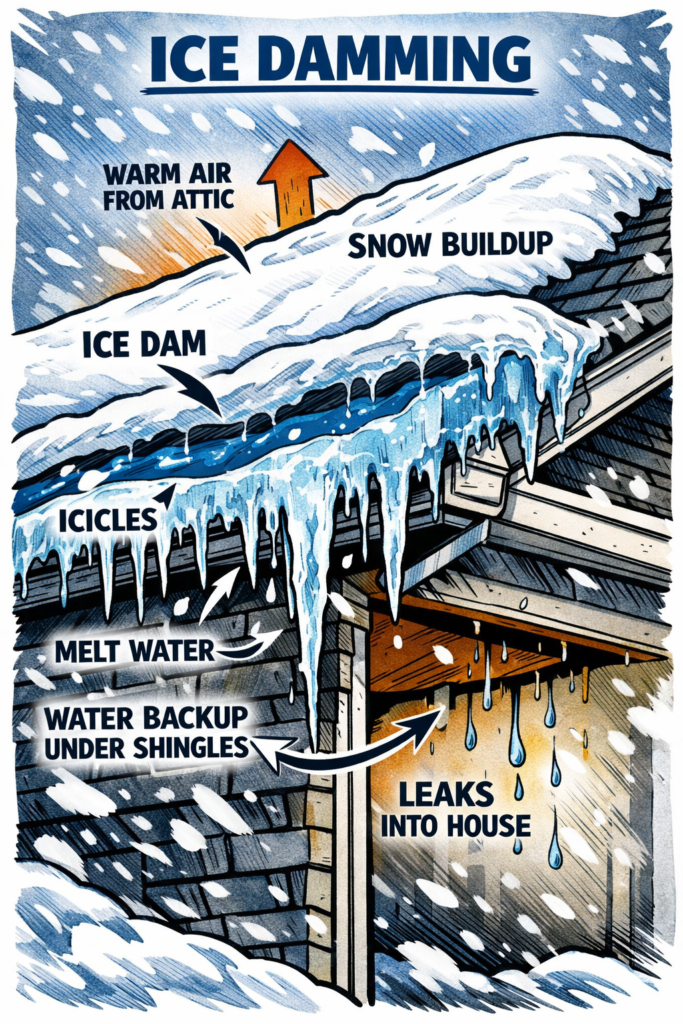
Omaha’s freeze-thaw cycles are brutal on roofing materials. Ice dams in winter and wind-driven rain in spring can push moisture under shingles.

Once repairs are complete, set a reminder to schedule seasonal maintenance checks. Clean your gutters, check flashing, and trim back overhanging branches—especially if you live in tree-heavy areas like Elmwood Park or near the Lauritzen Gardens.

Preventative care now saves you stress (and money) later.

Stop the Drip Before It Gets Worse

A roof leak can start small—but in Omaha’s unpredictable weather, it doesn’t stay small for long. Whether you live in a historic Dundee craftsman or a newer Elkhorn build, acting fast is the key to preventing serious damage.

At Moose Roofing, we specialize in roof repair and emergency response for leaks across Omaha. We know the unique challenges that come with our city’s seasonal storms, hail, and snow loads. We’ll inspect your roof, explain your options clearly, and fix the problem right the first time.

Don’t wait for the next storm to find out your roof isn’t ready.

Call us today to schedule your leak inspection or request an emergency visit.

Let’s protect your home—before that small leak becomes a major issue.

We've Been Here. We're Here Now. We're Here to Stay

an inspection

How Much Does a 2000 Square Foot Roof Cost

How Much Does a 2000 Square Foot Roof Replacement Cost?

A Complete Cost Breakdown for 2000 Sq Ft Roof Replacement

Has the thought of replacing or installing a new roof crossed your mind, and you postponed the idea because you were worried about the cost?

If you are a 2,000-square-foot homeowner, understanding the costs involved can help you budget effectively and make informed decisions. Roof replacement costs vary depending on materials, labor, and additional factors like location and roof complexity.

At Moose Roofing, we prioritize your safety and comfort and provide personalized and innovative solutions, regardless of the size or scope of the project. 

Read on, as we break down the estimated costs for a 2,000-square-foot roof based on different roofing materials and factors that influence pricing. Want to know more about us? Visit Moose Roofing!

Average Cost of a 2,000-Square-Foot Roof Breakdown

The national average for a roof replacement ranges from $7,000 to $15,000, but this can go higher depending on materials and labor costs in your area. The per-square-foot cost typically falls between $3.50 and $7.50 for asphalt shingles, the most common roofing material.

Let’s take a quick look at estimated costs based on roofing materials:

Roofing MaterialCost per Square FootTotal Cost for 2,000 Sq. Ft.
Asphalt Shingles$4.50 – $8.50$10,000 – $18,000
Metal Roofing$10.00 – $14.00$20,000 – $38,000
Wood Shingles/Shakes$10.00 – $12.00$20,000 – $36,000
Tile Roofing$15.00 – $25.00$30,000 – $60,000
Slate Roofing$15.00 – $30.00$30,000 – $65,000

The national average for a roof replacement ranges from $7,000 to $15,000, but this can go higher depending on materials and labor costs in your area. The per-square-foot cost typically falls between $3.50 and $7.50 for asphalt shingles, the most common roofing material.

Let’s take a quick look at estimated costs based on roofing materials:

Key Factors That Impact Roof Cost

1. Roofing Material

The type of roofing material you go with plays a big role in the overall cost. If you’re looking for something budget-friendly, asphalt shingles are a great option—they usually run between $4.50 and $8.50 per square foot and offer a solid mix of affordability and durability.

If you’re after something that lasts longer and has a bit more visual appeal, metal roofing might be worth considering. It does come at a higher price point, but it also offers great longevity and energy efficiency.

For a more premium look and feel, materials like wood shingles, tile, or slate can elevate your home, but they’ll also bump up the cost quite a bit due to their quality and installation needs. 

Each type of roofing has its pros and cons in terms of lifespan, upkeep, and how well it handles the weather, so the best choice comes down to your budget and local climate.

2. Labor Costs

Labor costs can make up a big chunk of your total roof replacement bill, usually around 40% to 60%. The exact amount can vary based on things like your contractor’s experience, local labor rates, and how complex your roof design is.

If your roof is fairly straightforward, you’ll likely pay less for labor. But if it has a steep pitch, multiple layers, or a more detailed design, the job gets trickier and takes longer, which can bump up the cost. While hiring a skilled and reputable roofing contractor might cost a bit more, it’s usually worth it for the peace of mind and quality workmanship they bring to the table.

3. Roof Complexity and Pitch

The complexity and pitch (steepness) of your roof directly affect installation difficulty and, in turn, the cost. A steep or multi-level roof requires more safety precautions, specialized equipment, and extra labor time, leading to higher expenses.

Additional features like chimneys, dormers, valleys, skylights, and ventilation systems require precise cutting and sealing, which increases labor costs. If your home has a simple, low-pitch roof, installation is generally faster and more cost-effective.

4. Removal of Old Roof

Before installing a new roof, the old roofing material must often be removed, adding to the overall project cost. This process costs between $2 to $5 per square foot, meaning a 2,000-square-foot roof removal could cost $2,000 to $6,000.

The price depends on the number of layers being removed and whether any underlying damage, such as rotten decking or water damage, needs to be repaired before the new roof is installed. You may opt to install new shingles over the old ones to save money, but this isn’t always advisable, as it can shorten the lifespan of the new roof.

5. Roofing Permits and Inspections

Most cities and states require a roofing permit before installation begins. The cost of permits typically ranges from $150 to $500, though it can be higher depending on local building codes and regulations.

Some areas also require mandatory inspections, which ensure that the roof installation meets safety and building standards. Working with a licensed roofing contractor helps streamline this process, as they usually handle the permitting and inspections for you.

6. Additional Features

Adding upgrades or extra features to your roof can increase the overall cost, but they often come with some great benefits, like improved durability, better energy efficiency, and even a boost to your home’s value.

Things like enhanced insulation, roof ventilation, skylights, and new gutters can add anywhere from $2,000 to $10,000 to your project. Insulation and ventilation help keep your indoor temperature comfortable and prevent moisture issues, while skylights can brighten up your space with natural light—just keep in mind they need to be installed carefully to avoid leaks.

If your roof needs new flashing or upgraded drainage systems, that’ll add to the cost, too, but it’ll also help your roof perform better and last longer.

Knowing about these options can help you plan your budget more confidently and make the best decision for your home. And if you have any questions or need tailored advice, we’re always here to help!

 How to Save on Roof Replacement Costs

  • Get a Few Quotes: Don’t settle for the first estimate you receive. Reach out to a few roofing contractors and compare their prices. It’s also a good idea to check out their reviews or testimonials before making your final decision.
  • Pick Budget-Friendly Materials: There are plenty of roofing materials that are both affordable and durable. Think about what will last long-term, too—it might save you from costly repairs down the road.
  • Choose the Right Time: Timing can make a difference! Roofing companies are often less busy during the off-season (like late fall or early winter), and you might be able to snag a better deal.
  • Look Into Insurance: If your roof was damaged by a storm or another unexpected event, your homeowners’ insurance may cover part—or even all of the replacement cost. It’s worth checking!

Planning ahead and exploring your options can go a long way in keeping costs down. And if you need help navigating it all, we’re here for you!

Your Trusted, Local Omaha-based Roofing Company

At Moose Roofing, we take pride in being a dependable, locally owned roofing company serving homeowners across Omaha. With years of experience in the Nebraska climate, we understand the unique roofing needs of the region, from harsh winters to storm-heavy summers. 

Our team is committed to delivering top-quality craftsmanship, transparent pricing, and personalized service you can count on. Whether you need a full roof replacement, storm damage repair, or a simple inspection, we’re here to help every step of the way.

Need an estimate for your roof replacement? Contact Moose Roofing today for a free consultation!

We've Been Here. We're Here Now. We're Here to Stay

an inspection

How Long Do Residential Roofs Last? Lifespan by Material

How Long Do Residential Roofs Last? Lifespan by Material

Roof Lifespan by Material and What Affects Longevity

Did you know that your roof’s lifespan can range from just 15 years to over a century, depending on the material and maintenance? Your home’s first line of defense deserves careful consideration.

A roof replacement is a significant investment; knowing how long your roof will last can help you plan. Factors such as material type, climate conditions, and upkeep are critical in roof longevity.

Imagine a durable roof that not only protects your home but also enhances its value and energy efficiency. With the right material and maintenance, you can extend your roof’s lifespan and save on costly repairs. Let’s break down all the factors that impact your roof’s longevity.

Factors That Affect Roof Lifespan

Roofing Material

Materials play a large role in how long a roof will last, but so does cost. For example, you can expect slate roofing to last well over 100 years, but it is also the most cost-prohibitive of all of the roofing materials we discuss below. As with most home improvement projects, you can choose to go high-end, low-end, or somewhere in between, and roofing is no different. 

Weather and Climate

Extreme heat, heavy rainfall, snow, and strong winds can significantly impact your roof’s longevity. For instance, roofs in regions with frequent storms may wear out faster than those in mild climates.

Quality of Installation

A well-installed roof by a professional roofing contractor will last much longer than one that was improperly installed. Poor workmanship can lead to premature leaks and structural damage.

Maintenance and Repairs

Regular inspections, cleaning, and timely repairs can prevent small issues from turning into major problems. Neglecting maintenance can shorten your roof’s lifespan considerably.

Average Lifespan of Common Residential Roofing Materials

Different roofing materials have different life expectancies. Here’s a breakdown:

Asphalt Shingles (15-30 years)

  • It is the most common and affordable option.
  • Available in 3-tab, architectural, and premium shingles.
  • Susceptible to weather damage and requires periodic maintenance.

 Metal Roofing (40-75 years)

  • Highly durable and resistant to harsh weather.
  • Comes in steel, aluminum, copper, and zinc varieties.
  • Requires professional installation but offers excellent longevity.

 Wood Shingles and Shakes (20-40 years)

  • Aesthetic appeal with a natural look.
  • Requires regular treatment against moisture and pests.
  • More vulnerable to fire unless treated with fire-resistant coatings.

Clay and Concrete Tiles (50-100 years)

  • Extremely durable and resistant to rot and insect damage.
  • Heavier than other materials, requiring a strong roof structure.
  • Minimal maintenance but costly upfront.

Slate Roofing (75-150 years)

  • One of the longest-lasting materials available.
  • Requires a highly skilled professional for installation.
  • Expensive but offers unmatched durability and aesthetic appeal.

Signs That Your Roof Needs Replacement

Even the best-maintained roof will eventually show signs of wear and tear. Here’s what to watch out for:

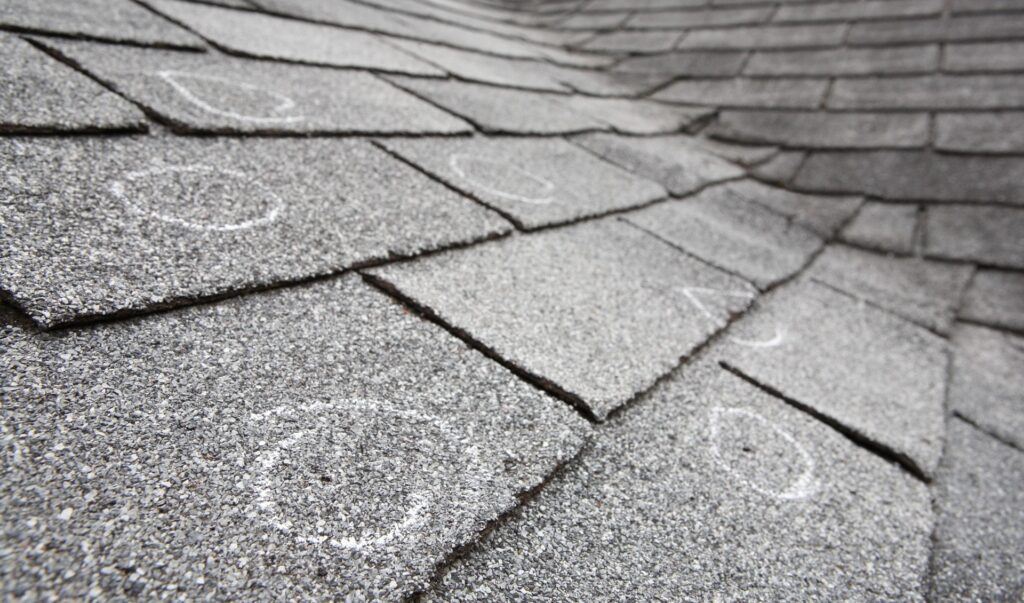
Missing or damaged shingles –

A clear sign of aging or storm damage.

Granule loss –

Bald spots on asphalt shingles indicate weathering.

Water leaks –

Stains on ceilings or walls suggest roof damage.

Sagging areas –

Structural damage could be an indicator of serious issues.

Moss or mold growth –

Can trap moisture and cause roof deterioration.

 How to Extend the Life of Your Roof

Regular Inspections

Schedule professional roof inspections at least once a year to identify potential problems early.

Keep Gutters Clean

Clogged gutters can cause water buildup and lead to leaks. Clean them regularly, especially in fall and spring.

Trim Overhanging Branches

Tree limbs can scrape against your roof and damage shingles. Keeping them trimmed reduces the risk of damage.

Address Repairs Promptly

Ignoring minor issues can lead to bigger, costlier repairs. Fix leaks, replace missing shingles, and reinforce weak spots as soon as possible.

Ensure Proper Ventilation and Insulation

Poor attic ventilation can trap heat and moisture, leading to premature roof aging. Ensure your attic is well-ventilated to prevent damage.

When to Plan for a Roof Replacement

If your roof is nearing the end of its expected lifespan, it’s wise to start planning for a replacement. Here’s how:

Assess your current roof’s condition –

Get a professional inspection to evaluate its remaining lifespan.

Budget accordingly –

Roofing replacements can be expensive, so plan for costs in advance.

Choose the right material –

Consider factors like durability, climate suitability, and cost before deciding on a new roofing material.

Hire a trusted roofing contractor –

Research and select a reputable roofing company for quality installation.

Protect Your Home: Plan for a Long-Lasting Roof Today!

Your home’s roof is a critical investment that protects you and your family. Understanding how long residential roofs last and taking proactive maintenance steps can help you maximize your roof’s lifespan. If your roof is showing signs of aging, start planning for repairs or a replacement today to avoid costly damages later.

Need expert advice on your roofing project? Contact a professional roofer today to ensure your home stays safe and protected for years to come!

We've Been Here. We're Here Now. We're Here to Stay

an inspection